
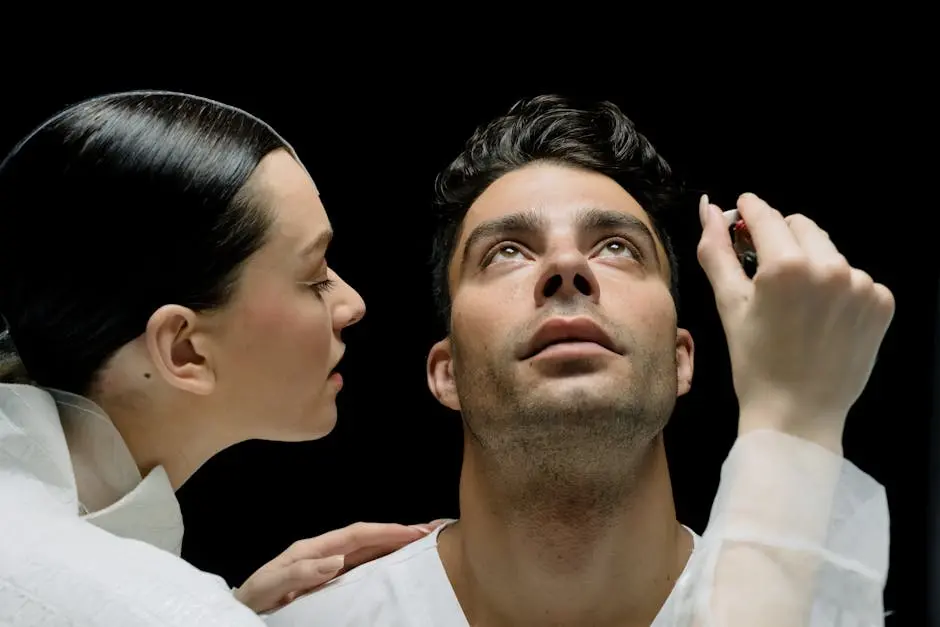
In recent years, vision care has seen remarkable advancements, especially in Norfolk and its surrounding areas. From cutting-edge technologies to innovative practices, these developments are transforming vision health. This FAQ blog explores the latest trends and innovations in vision care, offering insights into how these advancements are improving lives.
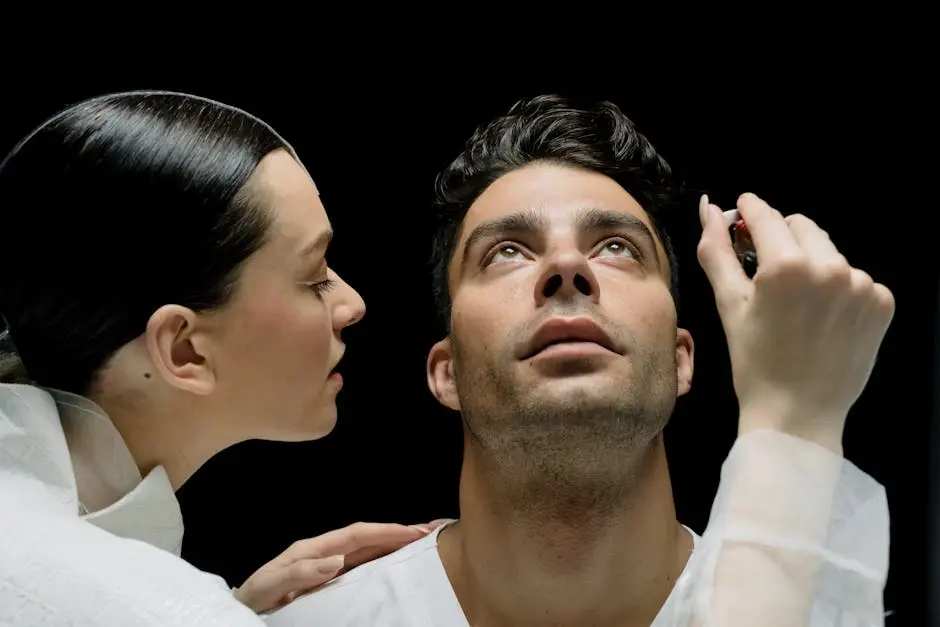
Understanding the Rise of Laser Eye Surgery
Laser eye surgery has revolutionized how we correct vision problems. In Norfolk, clinics are increasingly adopting the latest laser technologies to offer more precise and less invasive procedures.
One of the key reasons patients opt for laser eye surgery is its quick recovery time and minimal discomfort. The use of advanced lasers allows for customization of the treatment to the specific needs of each patient’s eye, potentially reducing the dependency on glasses or contacts significantly. This progress in laser eye surgery not only improves vision clarity but also enhances the overall quality of life for many residents.
Laser-assisted in situ keratomileusis (LASIK), one of the most common procedures, has become increasingly popular due to its high success rate and rapid recovery. It involves reshaping the cornea to correct refractive errors, thus enabling clearer vision. Many local clinics are equipped with the latest LASIK technology, ensuring optimal outcomes for patients.
The Impact of Tele-optometry
Tele-optometry is rapidly growing, providing patients with virtual consultations and follow-ups. This advancement increases accessibility and convenience for those living in Norfolk and nearby areas.
With tele-optometry, patients can connect with eye care professionals without leaving their homes. This development is particularly beneficial for individuals with mobility challenges or those residing in rural areas. Virtual eye exams and consultations can now be conducted through secure online platforms, offering a convenient alternative to traditional in-office visits. By utilizing tele-optometry, residents can easily receive expert advice and care from qualified optometrists.
The integration of tele-optometry has also allowed more personalized and continuous care. Patients can upload images of their eyes or discuss symptoms directly with their optometrist, receiving timely feedback without waiting for an in-person appointment. This is a game-changer in managing ongoing eye health concerns and ensures that care is tailored to each individual’s needs.
Exploring Advanced Diagnostic Tools
New diagnostic tools such as OCT (Optical Coherence Tomography) and digital retinal imaging are enabling more accurate diagnoses and personalized treatment plans.
OCT is a non-invasive imaging test that uses light waves to take cross-section pictures of your retina. With this tool, doctors can see each of the retina’s distinctive layers and map and measure their thickness. It provides crucial diagnostic information for diseases like glaucoma and age-related macular degeneration. In Norfolk, the adoption of these tools is enhancing the quality of patient care significantly.
Digital retinal imaging, on the other hand, uses a high-resolution imaging system to take detailed pictures of the inside of your eye. It allows for the detection of potential eye-related issues before they become problematic. This proactive approach to eye health is appealing to many in the Norfolk community and has become a standard practice among the area’s leading eye care providers.
Introducing AI in Vision Care
Artificial Intelligence is beginning to play a role in vision care by predicting and diagnosing eye conditions more efficiently. Norfolk clinics are starting to incorporate AI technologies to enhance patient outcomes.
One of the most promising applications of AI in vision care is in the screening and monitoring of diabetic retinopathy. AI algorithms can quickly analyze retinal images and identify signs of disease that might go unnoticed by the human eye, leading to earlier intervention and treatment. This technology empowers practitioners with advanced tools to offer better care and improve patient outcomes.
Moreover, AI is not just for diagnostics; it also assists in personalized treatment planning. By analyzing countless data points from similar cases, AI can suggest tailored treatment options, potentially leading to better results for patients. As technology continues to advance, the role of AI in eye care only becomes more integral, promising a future where eye health management is not only more effective but also highly specialized.
Advancements in Contact Lens Technology
The latest developments in contact lenses, including smart lenses and extended wear options, are providing greater comfort and vision correction options to users.
Smart contact lenses are among the most exciting innovations in vision care today. These lenses may soon have the capability to monitor health conditions, such as blood sugar levels in diabetic patients, right through the eye. This could result in a groundbreaking method of managing chronic health conditions while providing clear vision correction.
Extended wear contacts, which can be worn continuously for longer periods, offer a convenient option for wearers who prefer a hassle-free experience. These advancements make it easier for individuals to incorporate vision correction into their busy lifestyles without compromising on comfort or health.
Embracing the Future of Vision Care
Staying informed about the latest advancements in vision care can make a significant difference in maintaining and improving eye health. Norfolk and its surrounding areas are at the forefront of these innovations, offering residents access to state-of-the-art care. Whether it’s through advanced technology or holistic approaches, these developments are paving the way for a brighter future in vision care.