
Cataracts are a common eye condition, especially among older adults. This clouding of the eye’s natural lens can significantly impact vision. Fortunately, advancements in vision technology are paving the way for better and more effective treatment options. In this FAQ, we’ll explore how these cutting-edge technologies assist in managing and treating cataracts.
Understanding Cataracts and Their Impact
Cataracts cause the lens of the eye to become cloudy, leading to blurred vision. This condition can affect one’s ability to perform daily activities, making it essential to seek effective treatment.
As cataracts develop, they can cause colors to appear faded, difficulty seeing at night, and increased sensitivity to glare. Without treatment, cataracts can significantly impair vision and quality of life, emphasizing the need for regular eye examinations and early intervention.
The Role of Advanced Vision Technology in Diagnosing Cataracts
With advanced imaging techniques, ophthalmologists can detect cataracts earlier and more accurately, allowing for timely intervention and treatment.
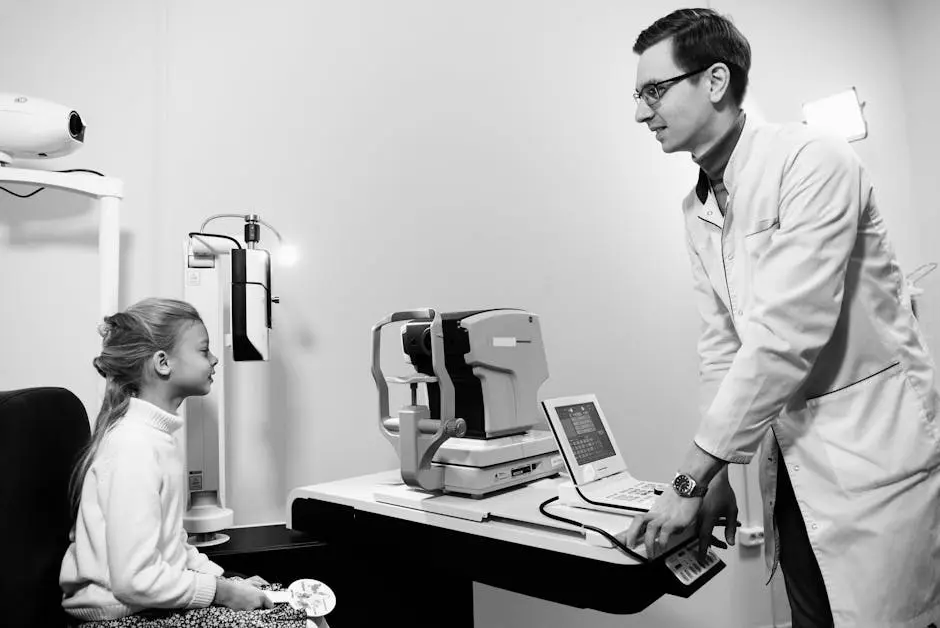
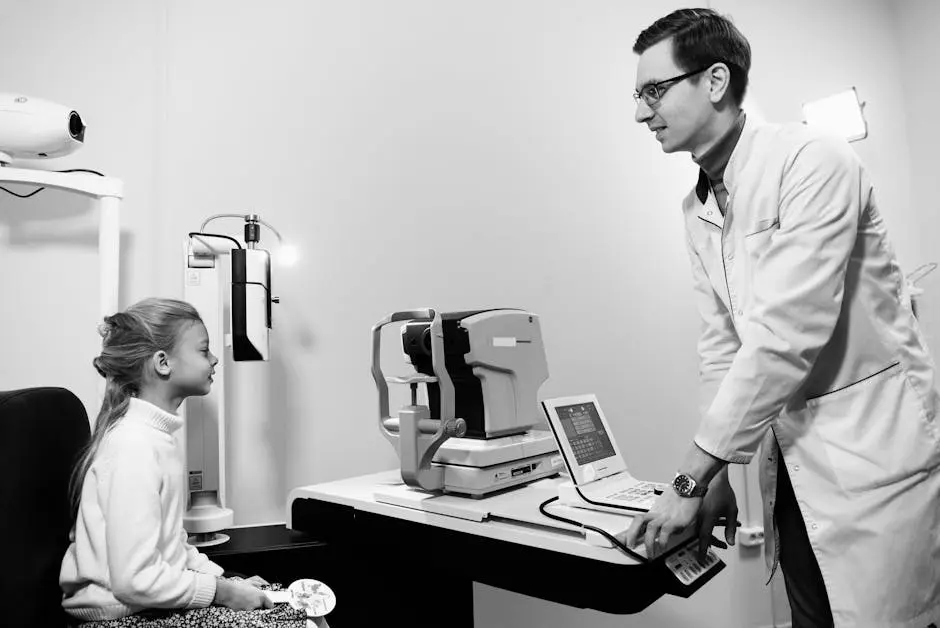
State-of-the-art devices, such as high-resolution retinal scans, provide a non-invasive way to assess the precise condition of the lens. These technologies facilitate more detailed visualization, helping eye care professionals tailor treatments to individual patient needs.
Incorporating advanced diagnostics into routine check-ups enables healthcare providers to monitor cataract progression more effectively. This proactive approach ensures that treatment is administered at the most opportune time, enhancing patient outcomes.
Modern Surgical Techniques for Cataract Removal
Advanced surgical options, such as laser-assisted cataract surgery, provide higher precision and better outcomes for patients.
Laser-assisted procedures utilize femtosecond laser technology, which allows surgeons to create precise incisions and breaks up cataracts with minimal manual intervention. This technique enhances the accuracy of surgery, reducing recovery time and improving vision restoration.
Traditional cataract surgery, while still effective, has been significantly improved by these technological advancements. Modern surgeries are now performed with smaller incisions and less ultrasound energy, minimizing risks and promoting faster healing.
Innovative Intraocular Lenses (IOLs)
The development of advanced IOLs has improved the post-surgical vision of patients, reducing dependency on glasses and enhancing overall visual quality.
Today’s IOLs come in various designs, such as multifocal and accommodative lenses, tailored to match different visual needs and lifestyles. These lenses offer patients the opportunity to achieve clearer vision at multiple distances, enhancing their daily experiences.
Extended depth-of-focus lenses are a recent innovation, providing an improved range of vision and reducing the need for additional corrective eyewear. These sophisticated lenses simulate the natural focusing ability of a healthy young eye, representing a significant leap in cataract care.
The Future of Cataract Treatment
Ongoing research and technological progress continue to open new possibilities for cataract treatment, promising even greater advancements in the future.
Emerging technologies like artificial intelligence hold the potential to further personalize cataract treatment, offering tailored surgical plans based on precise, data-driven insights. Such advancements are on the frontier of ophthalmic innovation, promising to refine and enhance patient care.
As these technologies mature, the future of cataract care looks promising, with anticipated developments aiming to improve both the precision and accessibility of treatments. This continual evolution in vision technology holds the promise of not only treating cataracts more effectively but also enhancing patients’ overall quality of life.
Conclusion: The Future of Cataract Treatment with Advanced Vision Technology
Advanced vision technology is revolutionizing the treatment and management of cataracts, providing patients with more effective, precise, and convenient solutions. From early detection to sophisticated surgical options, these technologies are helping people maintain their vision and improve their quality of life. This is an exciting time for both patients and eye care professionals as we continue to see improvements in cataract care. To learn more about how we can help preserve your vision, visit our homepage.