
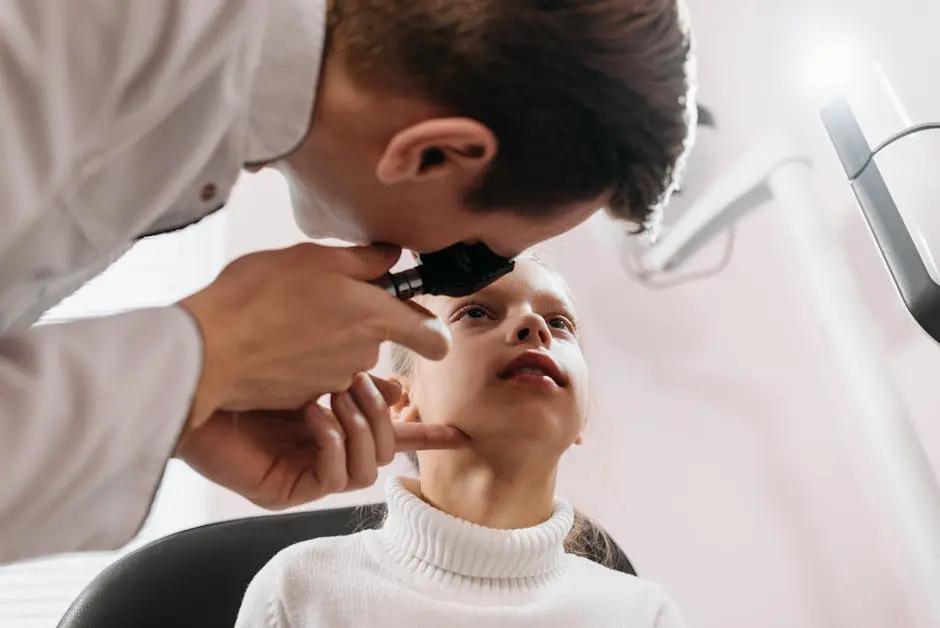
Regular eye exams are an important part of maintaining good vision and overall health. But how often should you schedule these check-ups? In this article, we’ll delve into the guidelines provided by experts to help you determine the right frequency for your eye exams.
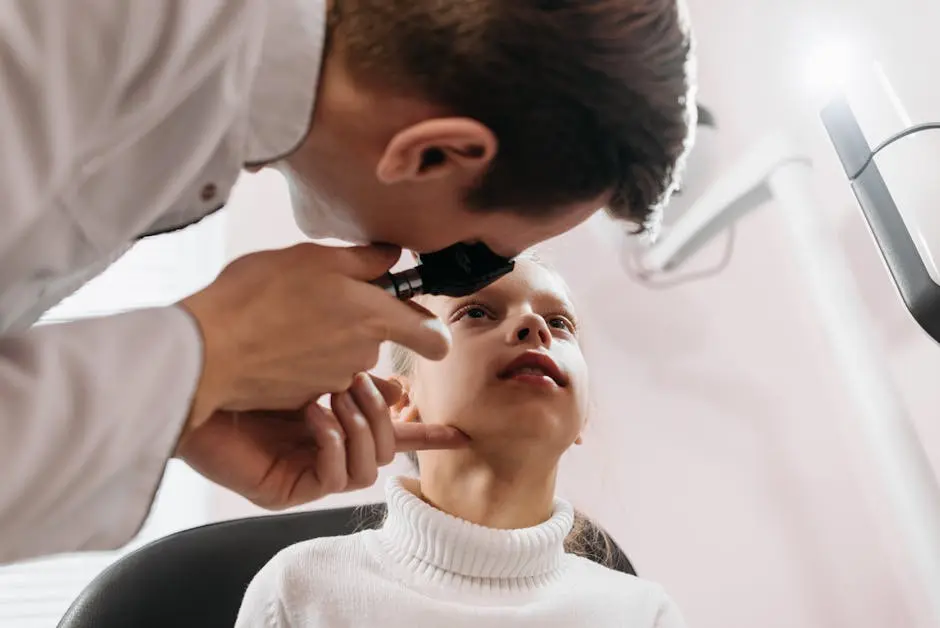
The Importance of Regular Eye Exams
Eye exams do more than just test your vision. They can reveal early signs of serious health conditions like diabetes and hypertension, making them an essential part of your healthcare routine. During a comprehensive eye exam, an eye care professional can detect subtle changes in your eyes that might be indicative of underlying health issues. For instance, conditions such as high blood pressure can affect the blood vessels at the back of your eye, a change that is often visible before more obvious symptoms present themselves. Moreover, eye exams can likewise identify high cholesterol, as yellowish deposits in the blood vessels of the retina can signify elevated levels.
Beyond health monitoring, regular eye exams ensure that your prescription is up-to-date, helping you avoid headaches, eye strain, and other symptoms of poor vision. Having the correct prescription for your glasses or contact lenses not only helps you see more clearly but also enhances overall quality of life by reducing the risk of accidents and increasing the efficiency of daily activities. With advances in technology, comprehensive eye exams have become even more effective and accessible, allowing for early intervention in a variety of conditions.
Guidelines for Different Age Groups
The frequency of eye exams varies with age. We’ll explore how often children, adults, and seniors need to see their eye care provider to maintain optimal eye health. For children, it’s crucial to have their first eye exam at about 6 months of age, followed by another at 3 years, and then just before they start school. Once in school, regular exams every one to two years are recommended to catch any vision changes early, ensuring they can learn effectively without hindrance. Children’s eyes are still developing, and early detection of issues like lazy eye or refractive errors is vital.
For adults between the ages of 20 to 39, a routine eye exam every five to ten years is often sufficient if one has no symptoms or preexisting conditions affecting the eyes. However, once you hit 40, it’s wise to increase this frequency to every two to four years, as the risk of developing age-related conditions such as presbyopia increases. Seniors, aged 65 and up, should schedule eye exams every one to two years. This increased frequency is due to the higher likelihood of conditions like glaucoma, cataracts, and macular degeneration appearing or worsening as we age.
Additionally, anyone with a family history of eye disease or who has specific risk factors such as diabetes should consult their eye care provider to establish a more personalized schedule for eye exams. The key is to ensure that eye exams are aligned with both age-related guidelines and personal health needs, which is something you can discuss during your consultation at Mid-Atlantic Eye Care.
Factors That Can Affect Exam Frequency
Certain factors, such as medical history and lifestyle, can influence how often you should have your eyes examined. Let’s take a closer look at these factors and how they can impact your eye health strategy. Individuals with certain medical conditions such as diabetes require more frequent eye check-ups to monitor changes that might not be noticeable to the patient but could significantly affect vision. Diabetics, for instance, are at increased risk for diabetic retinopathy, which can be detected early with regular eye exams.
Additionally, lifestyle choices such as smoking can have a negative impact on your eye health. Research shows that smokers are at a higher risk for age-related macular degeneration, cataracts, and other eye diseases. As a result, quitting smoking can be beneficial for your ocular health and reduce the need for more frequent eye exams. Moreover, extended use of digital devices can also strain your eyes and prompt a need for more regular check-ups to prevent issues like computer vision syndrome.
Understanding how these factors play into your overall eye health is vital. Tailoring an eye exam schedule that reflects your personal risk factors not only helps in maintaining your vision but also contributes to your overall well-being.
Understanding Symptoms That Require Immediate Attention
Sometimes, symptoms can arise that necessitate an eye exam sooner than scheduled. We’ll go over some common symptoms that should prompt a quicker visit to your eye care professional. Symptoms like sudden vision changes, eye pain, severe redness, or flashes of light can indicate urgent issues that need immediate evaluation. These symptoms could be due to problems such as retinal detachment or acute angle-closure glaucoma, both of which require prompt medical attention to prevent permanent vision loss.
Even less dramatic symptoms, such as frequent headaches or difficulty focusing, can be signals that an eye exam is due sooner than you might have planned. These could be symptomatic of a need for a corrective prescription or adjustments in existing eyewear. Don’t dismiss persistent discomfort or vision anomalies, as they can often be a preview of more severe conditions.
Being proactive about any changes in your vision will help in catching problems early. It’s also advisable to keep a record of symptoms and days when they’re most noticeable so you can provide detailed information to your eye care professional.
Finding the Right Eye Care Professional
Choosing the right eye care provider is important for maintaining your eye health. We provide tips on how to select an optometrist or ophthalmologist that suits your needs. Start by considering their qualifications and whether they specialize in areas that align with your specific vision needs. Recommendations from family and friends can also be a valuable resource in finding a provider who is trusted and experienced.
Additionally, convenience plays a role in ensuring you maintain regular visits. Opting for an eye care professional located close to your home or workplace might make it easier to fit appointments into a busy schedule. Don’t hesitate to ask questions about their approach to eye care, patient handling, and available technologies for exams. Ensuring a good fit will help you feel more comfortable and encouraged to keep up with your eye health. You may consider visiting Mid-Atlantic Eye Care for more information about services and scheduling appointments.
Final Thoughts on Scheduling Eye Exams
Regular eye exams are crucial for keeping your eyes healthy and ensuring that any vision problems are caught early. By following expert recommendations based on your age and health conditions, you can safeguard your vision and overall well-being.