
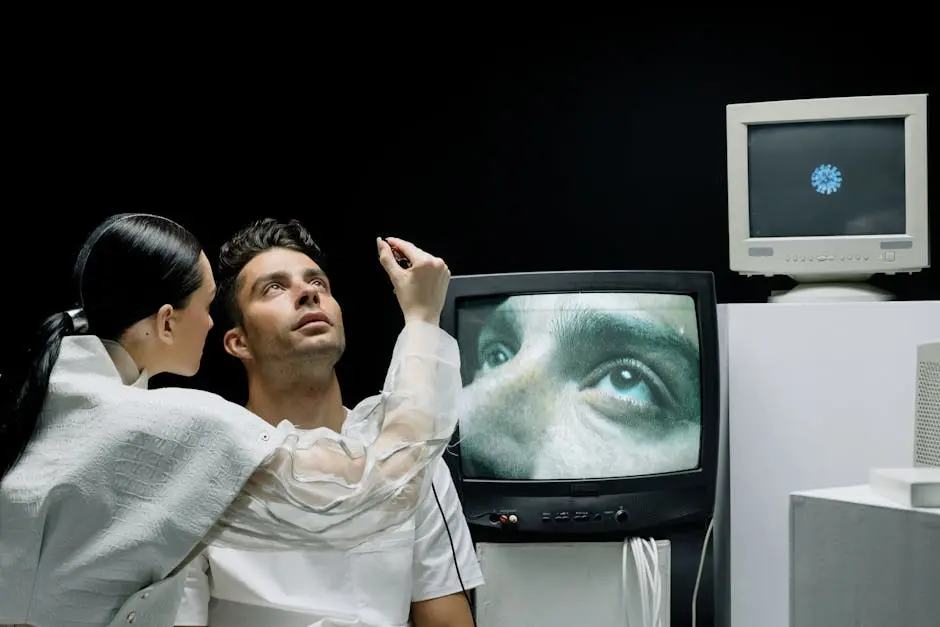
In recent years, eye care has seen a remarkable transformation, thanks to groundbreaking advancements in vision technology. From improving diagnostic techniques to enhancing treatment options, these innovations are paving the way for more effective and personalized eye care.
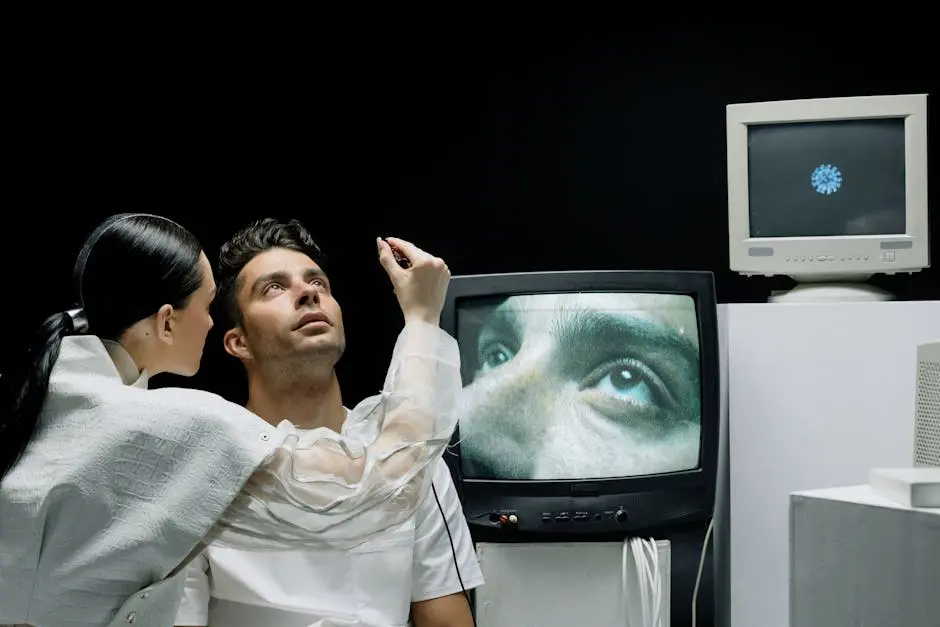
The Rise of Digital Eye Exams
Digital eye exams have revolutionized the way we assess vision and eye health. These exams use advanced technology to provide detailed insights, significantly reducing the time and effort required for both patients and practitioners. This cutting-edge technology ensures greater accuracy and precision, which is crucial for diagnosing complex eye conditions early on. Incorporating advanced imaging techniques, digital exams can capture high-resolution images, allowing eye care professionals to detect minute changes in the retina or optic nerve that would otherwise be missed. For patients, this means experiencing less discomfort during exams and receiving quicker results, which can lead to more timely interventions when necessary.
Moreover, digital eye exams enable seamless integration with electronic health records (EHR), ensuring that patients’ data is securely stored and easily accessible by any authorized health professional. This interoperability facilitates comprehensive care across multiple medical disciplines, a significant benefit as many eye conditions may relate to or impact other areas of health. Access to real-time data and longitudinal health records aids practitioners in providing personalized care tailored to individual patient histories and needs. The efficacious combination of digital exams and EHR ensures continuity of care and enhances patient satisfaction.
Wearable Technology: A New Dimension
Wearable devices, such as smart glasses and contact lenses, are now equipped with sensors and connectivity features. These devices not only enhance vision correction but also offer real-time health monitoring and alerts. Imagine a scenario where a contact lens can measure glucose levels in a diabetic patient or alert users to UV exposure. Such innovations provide invaluable health insights that extend far beyond correction, integrating into daily life for holistic health management.
Recent advancements have also paved the way for augmented reality (AR) applications in eyewear, merging virtual elements into our physical environment. This means individuals can receive navigation cues or real-time information overlays right in their field of view. The potential for personal and professional use is vast, from surgeons using AR glasses during procedures to enhancing the experience of individuals with low vision. With continuous developments, wearable vision technology is redefining our interaction with both digital and natural environments.
AI and Machine Learning in Eye Care
Artificial intelligence (AI) and machine learning algorithms are playing an increasingly crucial role in diagnosing and treating eye conditions. These technologies help identify patterns and predict outcomes with high accuracy, resulting in better patient care. AI systems have been developed to detect diabetic retinopathy, glaucoma, and age-related macular degeneration, often with a precision that rivals, and sometimes surpasses, human experts. The capacity of AI to analyze vast amounts of imaging data rapidly ensures that practitioners can focus on crafting treatment plans rather than spending time on diagnosis.
Additionally, machine learning algorithms continually improve with exposure to more data, enhancing their efficacy and expanding their diagnostic capabilities. As AI systems collect and process countless samples, they develop intricate pattern recognition skills that can suggest novel correlations or treatment routes. Furthermore, these systems can provide second opinions, giving patients and practitioners peace of mind in the diagnostic process. This partnership between human and machine cultivates a complementary relationship, where AI acts as both a helper and a detector, ensuring comprehensive and informed eye care.
Telemedicine and Remote Eye Care
Telemedicine is making eye care more accessible, especially for those in remote areas. With virtual consultations and remote monitoring, patients can receive timely advice and treatment from their eye care providers without the need for in-person visits. This is especially beneficial during circumstances when travel is not feasible or safe, such as during the recent pandemic. The use of secure video conferencing software enables patients to discuss concerns, symptoms, and treatment options while in the comfort of their own homes, ensuring continuity of care without geographical constraints.
Moreover, remote diagnostic tools and mobile health applications empower patients to perform basic health checks, such as visual acuity tests, independently. This self-monitoring capability encourages patients to take a proactive role in their eye health, fostering awareness and self-care habits that are vital for preventing long-term complications. For practitioners, this approach offers a sustainable way to manage patient loads while maintaining high standards of care. As telemedicine continues to evolve, it promises to overcome barriers to access and bring quality eye care within reach of everyone, anywhere.
The Promising Future of Eye Care
As technology continues to evolve, the future of eye care looks incredibly promising. Advanced vision technology is not only enhancing patient outcomes but also making eye care more accessible and efficient. Embracing these innovations is essential for providing the best possible care to patients around the world.