
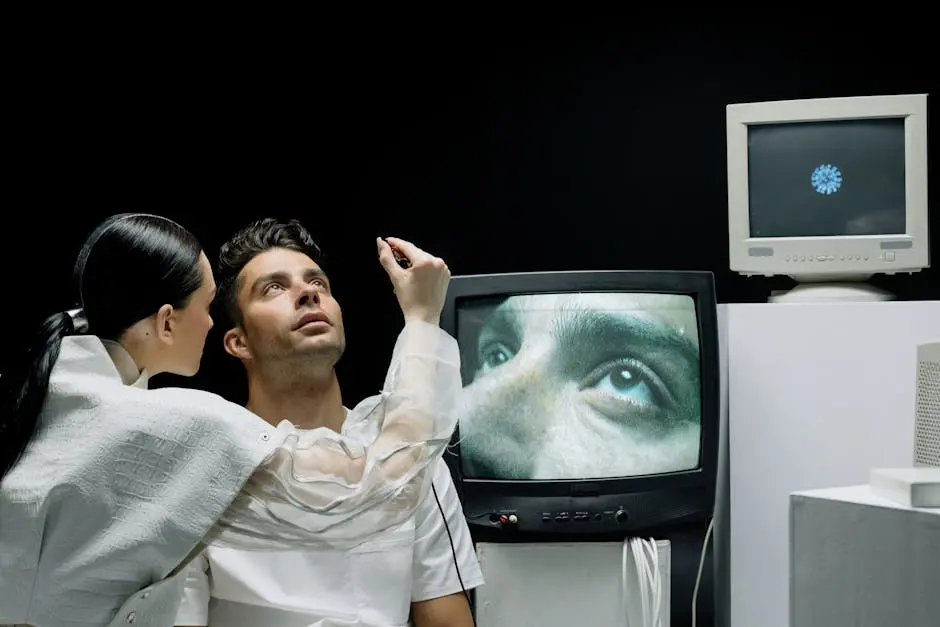
In the realm of eye care, technology is advancing at a pace faster than ever. These breakthroughs are revolutionizing how we diagnose, treat, and support vision health. Whether you’re a patient seeking information or an eye care professional staying abreast of innovations, understanding these advanced vision technologies is crucial.
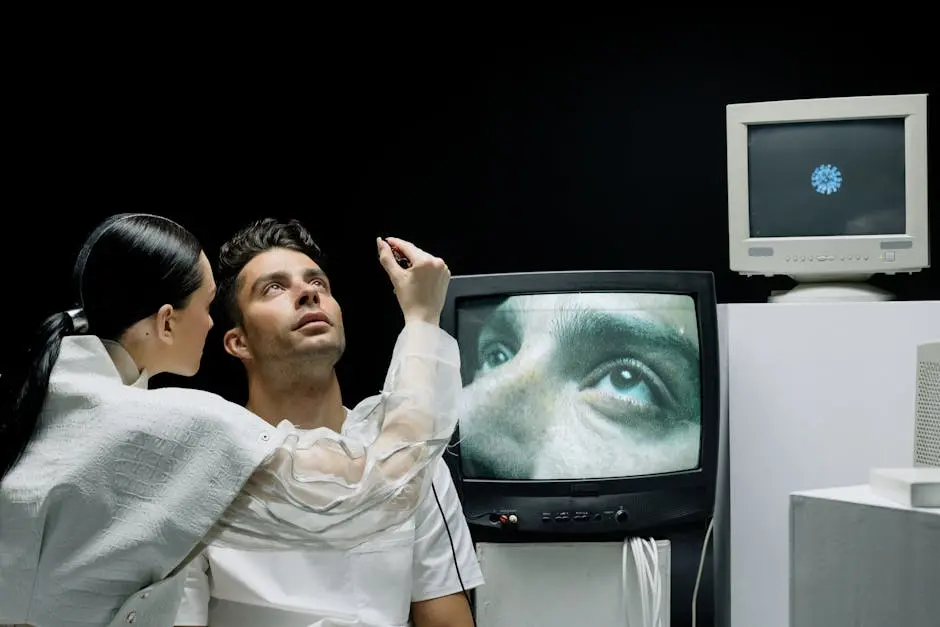
1. Revolutionizing Eye Exams with AI
AI is making eye exams more accurate and efficient by assisting doctors in diagnosing conditions with unprecedented precision. This technology analyzes images to detect issues that human eyes might miss. For instance, it can catch subtle changes in the retina that indicate the onset of diseases like diabetic retinopathy long before symptoms appear, thus allowing for early intervention.
Moreover, AI systems can significantly speed up the diagnostic process by analyzing vast amounts of data rapidly and reliably. As we continue to integrate artificial intelligence into healthcare, the potential for improving diagnostic accuracy and reducing the workload on healthcare professionals becomes ever more promising.
Incorporating AI in regular eye exams could soon become the norm, providing patients with access to highly accurate diagnoses and personalized treatment plans. For more on how AI is reshaping healthcare, don’t miss our updates on modern diagnostic technologies.
2. Retinal Imaging Advancements
Retinal imaging technology is taking leaps and bounds, especially with the advent of advanced techniques like Optical Coherence Tomography (OCT). This non-invasive imaging test provides real-time, cross-sectional views of the retina, allowing eye care professionals to closely monitor the progression of retina-related diseases. The detail and precision these images provide make it easier to track and manage conditions such as macular degeneration and glaucoma.
Cutting-edge retinal scanners can now produce clarity and quality that were once unimaginable, giving healthcare providers the tools they need to offer proactive, rather than reactive, care. As retinal imaging continues to evolve, the scope of what can be diagnosed and treated effectively broadens, heralding a new era of preventive eye care.
3. Smart Contact Lenses: The Future of Eye Wear
Smart contact lenses are ushering in a new era of convenience and innovation in vision care. These lenses are equipped with sensors capable of performing remarkable feats, such as monitoring blood glucose levels in diabetics or automatically adjusting focus to alleviate vision strain. This technology marks a significant step forward in how we perceive the role of contact lenses—from simple corrective devices to multifunctional health tools.
The ability of smart lenses to gather biological data while remaining virtually invisible to the wearer enhances not only the user experience but also the management of chronic conditions. Patients can enjoy peace of mind and a better quality of life, knowing their eye wear is actively contributing to their overall health management.
4. Virtual Reality in Vision Therapy
Virtual reality (VR) has found a novel application in the realm of vision therapy. By offering immersive environments, VR can support therapeutic interventions for various visual impairments, including amblyopia (or lazy eye) and strabismus. The interactive nature of VR exercises encourages patient engagement and adherence to therapy, often leading to improved treatment outcomes.
Furthermore, VR technology provides real-time feedback and adaptability, allowing for personalized therapy plans that precisely target each patient’s unique needs. As VR technology continues to advance, the potential for effective, non-invasive vision rehabilitation becomes increasingly promising. This progress is not just about aiding treatment; it’s about truly enhancing a patient’s journey to improved vision.
5. Telemedicine: Expanding Access to Eye Care
Telemedicine is a transformative tool in expanding access to eye care, particularly in remote or underserved areas. With the ability to conduct virtual consultations and follow-ups, patients can receive expert advice without the need for travel—an enormous benefit for those with mobility issues or geographically distant from specialized care facilities.
The emergence of telemedicine platforms has also streamlined the patient experience, making appointments more accessible and flexible. As digital health technology continues to evolve, we anticipate even more sophisticated telehealth solutions that enhance patient-doctor interactions and support ongoing eye health management.
6. Optical Coherence Tomography Enhancements
Developments in Optical Coherence Tomography (OCT) are revolutionizing how eye conditions are monitored and treated. By providing high-resolution imagery of the internal structure of the eye, OCT facilitates early detection and treatment of chronic eye conditions like glaucoma and macular degeneration. The ability to visualize changes over time allows practitioners to tailor treatments proactively and mitigate the risk of severe outcomes.
As OCT technology becomes more advanced, with faster processing times and higher image resolutions, the scope of conditions that can be effectively managed with this technology will undoubtedly increase. This makes it an essential tool for maintaining optimal vision health across diverse patient populations.
7. Photorefractive Technology for Vision Correction
Innovations in photorefractive technology, such as LASIK and photorefractive keratectomy (PRK), continue to enhance the safety and efficacy of vision correction surgeries. These procedures have become increasingly popular due to their high success rates and rapid recovery periods. By reshaping the cornea, these treatments significantly reduce or eliminate the need for glasses or contact lenses, providing patients with newfound freedom.
The precision that modern photorefractive technologies offer means patients can enjoy improved visual acuity with minimal side effects. As these technologies continue to evolve, they promise even greater accuracy and shorter recovery times, broadening the horizon for those seeking permanent solutions to refractive errors.
8. Genetic Testing and Personalized Medicine
The incorporation of genetic testing in eye care has paved the way for personalized medicine—tailoring treatments based on an individual’s unique genetic makeup. This approach is particularly valuable for patients with inherited eye conditions, enabling a deeper understanding of their risk factors and potential treatment responses.
The insights provided by genetic testing allow for more accurate risk assessment and early intervention strategies, which can significantly alter the course of an eye condition. As genetic research progresses, the concept of personalized medicine is set to transform eye care, ensuring treatments are not only effective but also ideally suited to each patient.
9. 3D Printing Applications in Eye Care
3D printing is a game-changer in the production of custom eyewear and the bioprinting of tissues. This technology offers precise and personalized solutions, allowing for the creation of customized eyewear that perfectly fits a patient’s unique facial structure. Additionally, bioprinting provides the ability to generate living tissue constructs, which could one day facilitate advanced treatments for eye injuries or diseases.
By enabling rapid prototyping and production, 3D printing also reduces costs and production time, making advanced eyewear and treatment options more accessible to a broader population. As this technology continues to advance, its applications in eye care are expected to expand, potentially extending to areas such as surgical implants and tissue regeneration.
10. Blue Light Protection Advances
With the rise of digital screen use, eye strain related to blue light exposure has become a common concern. Technologies designed to provide blue light protection are increasingly important in combatting the adverse effects associated with prolonged use of digital devices. Innovations like advanced lens coatings and blue light filter apps are aimed at reducing exposure and minimizing symptoms of digital eye strain.
These advancements ensure that users can engage with their devices safely without compromising eye health. In an increasingly digital world, such protections are invaluable, contributing to both immediate comfort and long-term ocular health.
11. Real-time Eye Tracking Technology
Real-time eye tracking technology offers insights into eye movements and coordination, making it a valuable tool in both diagnostic processes and therapeutic interventions. By capturing data on how the eyes move and interact with visual stimuli, clinicians can better understand and treat conditions such as amblyopia, strabismus, and even certain neurodevelopmental disorders.
The information gained from eye tracking is instrumental in developing targeted therapies and refining treatment plans to ensure optimal outcomes. This technology also has potential applications beyond healthcare, such as in user interface design and virtual reality experiences, showcasing its versatility.
12. Laser-Assisted Cataract Surgery
Laser-assisted cataract surgery has transformed the cataract extraction process, offering precision and safety that traditional methods cannot match. Using laser technology, surgeons can perform highly accurate incisions and lens fragmentations, minimizing complications and enhancing the speed of recovery.
Compared to manual techniques, laser-assisted procedures are less invasive and offer improved outcomes, including better refractive results. As this technology continues to advance, we can expect even greater precision and accessibility, making cataract surgery a smoother and more effective experience for many.
13. Gene Therapy: Pioneering New Possibilities
Gene therapy is at the forefront of revolutionizing treatments for genetic eye disorders. By directly addressing the root causes of these conditions, gene therapy offers the potential to restore functional vision to individuals who previously had limited options. This is particularly significant for inherited retinal diseases, which have traditionally been difficult to manage.
The development of gene therapies represents a pioneering step in the field of ophthalmology, offering hope for conditions that were once considered incurable. As research in this domain continues, it is likely that gene therapy will become a cornerstone of treatment strategies for many genetic eye diseases.
14. Bionic Eye Implants
Bionic eye implants embody the epitome of innovation in vision restoration. These devices work by converting visual information into signals that the brain can interpret, allowing individuals with severe visual impairments to perceive a rudimentary form of sight. For patients who are blind or have low vision, bionic implants offer a transformative improvement in quality of life, as they help regain a portion of their independence.
Technological advancements in this area are ongoing, with researchers continually striving to enhance the resolution and capabilities of these implants. While still in the early stages of widespread application, the prospect of bionic eyes offers an exciting glimpse into the future of restorative vision technology.
15. Artificial Intelligence in Drug Development
The role of artificial intelligence in drug development is becoming increasingly significant in eye care. AI-driven tools expedite the discovery process, identifying promising compounds more efficiently than traditional methods. This accelerated pace means new, targeted treatments can be developed quicker, with AI models predicting their effectiveness and safety.
By integrating AI into the pharmaceutical development cycle, we can hope for a future where new medications are not only more effective in combating ocular diseases but are also accessible sooner to those in need. This could mark a paradigm shift in how we approach the treatment of eye conditions, ultimately benefiting patients worldwide.