
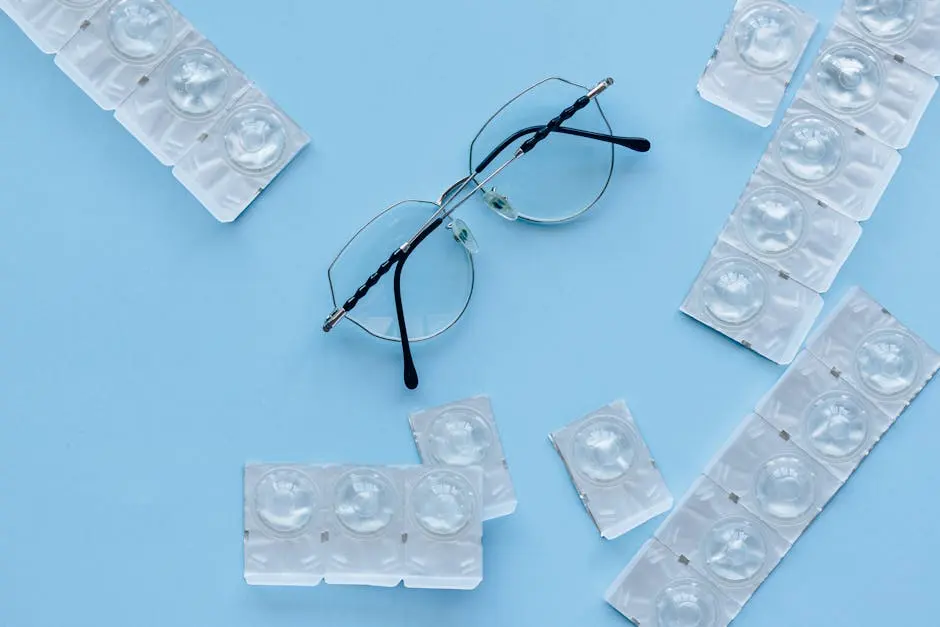
Vision health is something many of us take for granted until problems arise. Along with that comes a host of myths and misconceptions. In this blog, we’ll debunk some of the most common vision myths and help you see clearer than ever.
1. Sitting Too Close to the TV Hurts Your Eyes
We’ve all heard it before—don’t sit too close to the TV or you’ll ruin your eyes. While sitting too close might strain your eyes, it doesn’t cause permanent damage. In fact, children often sit close to the TV because they can focus better at short distances and are more curious about the details on the screen. It’s all about comfort rather than an inability to see properly. If you find yourself or your child sitting too close, you might want to consider an eye exam, as it could suggest a vision problem that needs attention.
Modern TVs and screens emit different types of light than the older models did. Although excessive screen time can lead to digital eye strain, known as computer vision syndrome, the permanent damage claim is largely unfounded. Taking regular breaks and practicing the ‘20-20-20 rule’—taking a 20-second break to look at something 20 feet away every 20 minutes—can alleviate discomfort.
2. Reading in Dim Light Ruins Your Vision
People often warn against reading in dim light, claiming it will wreck your eyesight. The truth is, while it may cause temporary eye strain and make your eyes tired, it isn’t a hazard to your long-term vision. Your eyes work harder in low light as your pupils dilate to let in more light. However, they can adapt to the task, causing no permanent damage. Reading in proper lighting is simply more comfortable.
3. Carrots Are the Ultimate Vision Food
Carrots are good for your eyes due to their vitamin A content, but they won’t give you superhuman vision. A balanced diet is key for maintaining your eye health. Including leafy greens, fish rich in omega-3 fatty acids, and fruits can provide a range of nutrients essential for healthy eyes. Carrots are part of this well-rounded diet, but relying on them alone won’t improve your sight. It’s about synergy rather than a magic bullet.
4. You Only Need Eye Exams If You Have Symptoms
Routine eye exams are crucial for everyone, not just those with vision problems. Many serious conditions can be caught early with regular checkups. Diseases like glaucoma and age-related macular degeneration can develop quietly without symptoms. Regular visits to an eye care professional help monitor changes and manage risks effectively. Ensuring proactive eye health care is just as important as other routine check-ups.
5. Wearing Glasses Will Make Your Eyes Dependent
Contrary to popular belief, wearing glasses doesn’t weaken your eyes or make you dependent on them. They simply help you see more clearly. Your eyes naturally do not become ‘lazier’; instead, glasses or contact lenses correct and optimize your visual experience. If your prescription changes, it’s due to the natural evolution of your vision, not a dependency on corrective lenses. Trust your optometrist to guide your sight improvements with precision.
6. Contact Lenses Are Uncomfortable to Wear
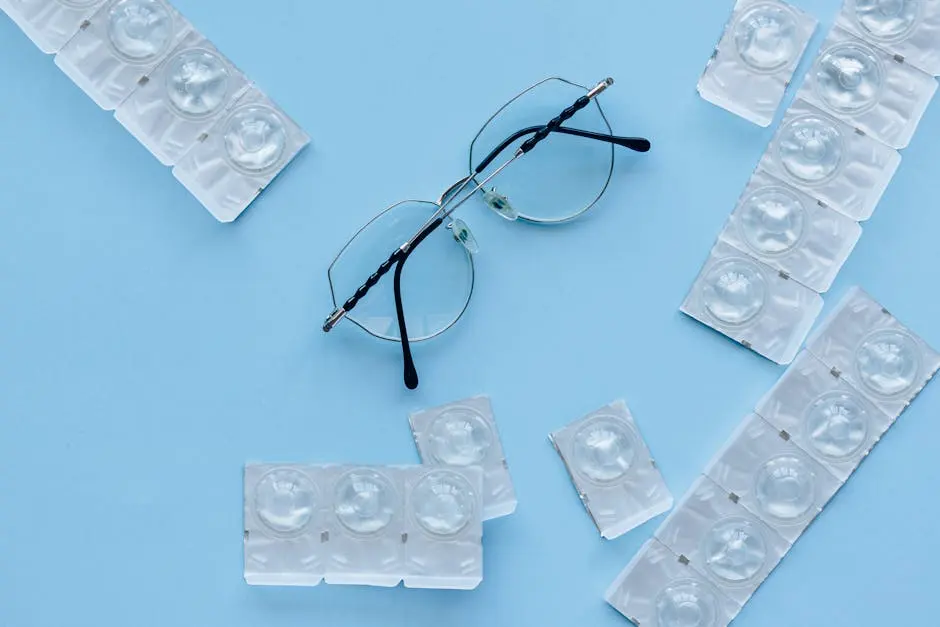
While some may find contacts tricky initially, they’re designed for comfort. With time and practice, most users find them easy and comfortable to wear. Contacts have advanced with technology, now featuring breathable materials that minimize irritation. Most discomfort stems from improper handling or insufficient moisture. With proper care and use, contacts can become a seamless part of life, providing freedom from glasses.
7. Eye Exercises Can Improve Your Vision
While eye exercises may relieve strain, they won’t correct vision problems like nearsightedness or farsightedness. A proper diagnosis is essential for such conditions. Exercises might help with issues such as eye fatigue and coordination between the eyes, but won’t alter the physical structure affecting your eyesight. Always consult an eye care specialist for comprehensive solutions that meet your specific visual needs.
8. Vision Problems Are Inevitable with Age
Aging doesn’t necessarily mean you’ll have significant vision problems. With proper care and regular check-ups, maintaining good vision health is entirely possible. A healthy diet, avoiding smoking, and wearing sunglasses with UV protection can all contribute to preserving your eyesight. Regular check-ups and protective lifestyle choices are your allies against age-related vision degeneration.
9. All Sunglasses Protect Your Eyes from UV Rays
Not all sunglasses are created equal. It’s important to choose sunglasses with reliable UV protection to truly shield your eyes from harmful rays. Many fashion sunglasses lack proper UV protection, leaving your eyes vulnerable to damage. Look for labels that indicate UV400 protection or 100% UV protection. This can help prevent cataracts and other sun-induced eye conditions.
10. You Shouldn’t Mix Prescription Eyewear and Fashion
There’s no rule against combining style and prescription eyewear. Many brands offer fashionable options that also cater to your vision needs. With a variety of styles available, you can express your personality and meet your corrective needs simultaneously. From contemporary to classic designs, eyewear today embraces versatility and personalization.
11. Laser Eye Surgery Is Permanent
Laser surgery can significantly correct vision, but it doesn’t guarantee perfect vision forever. Some changes in sight may occur over time, necessitating potential future interventions. Factors such as age, lifestyle, and eye health can influence post-surgery vision stability. Always have realistic expectations and discuss future possibilities with your surgeon.
12. Eye Color Can Indicate Vision Strength
The shade of your iris doesn’t correlate to your visual acuity. Eye color is purely genetic and has no effect on the quality of your vision. Assumptions tying strength to hue are unfounded. Visual strength and clarity depend on the shape of your eye and lens condition, not the color of your eyes. Celebrate the beauty of your eye color without attributing functionality to it.
13. Reading Glasses Are Only for the Elderly
People of any age can require reading glasses, especially those experiencing eye strain from digital screens or small print, irrespective of age. Presbyopia, a condition where the eye loses its focusing ability, can occur in people as early as in their 40s, but screens and lack of diverse vision practices can lead younger individuals to need glasses too. Reading glasses simply address specific needs, regardless of age.
14. All Eye Drops Are Safe for Any Use
Not all eye drops serve the same purpose. It’s crucial to use drops specifically intended for your specific symptoms or consult with an eye care professional. Some drops are formulated for allergies, others for hydrating dry eyes, while medicated drops serve specific conditions. Misuse can lead to irritation or complications. Always read labels carefully and seek guidance when necessary.
15. Crying Too Much Harms Your Eyes
Although crying leads to temporary puffiness and redness, it’s not damaging to your eyes. Tears actually help keep your eyes healthy by lubricating them. Emotional tears contain stress hormones that help remove them from the body. Additionally, tears are antibacterial and protect eyes from infections. So, while you might need to dab a tissue, crying is therapeutic and healthy for your eyes.