
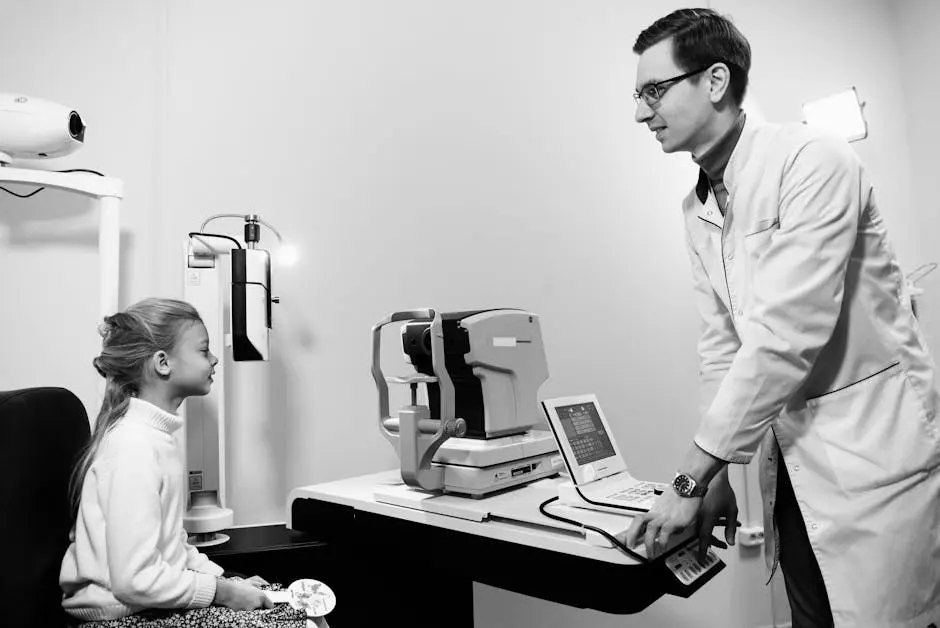
Eye health is essential to overall well-being, yet it’s often overlooked until issues arise. Preventing eye diseases is crucial for maintaining vision and quality of life. In this guide, we’ll explore simple steps you can take to proactively protect your eyes.
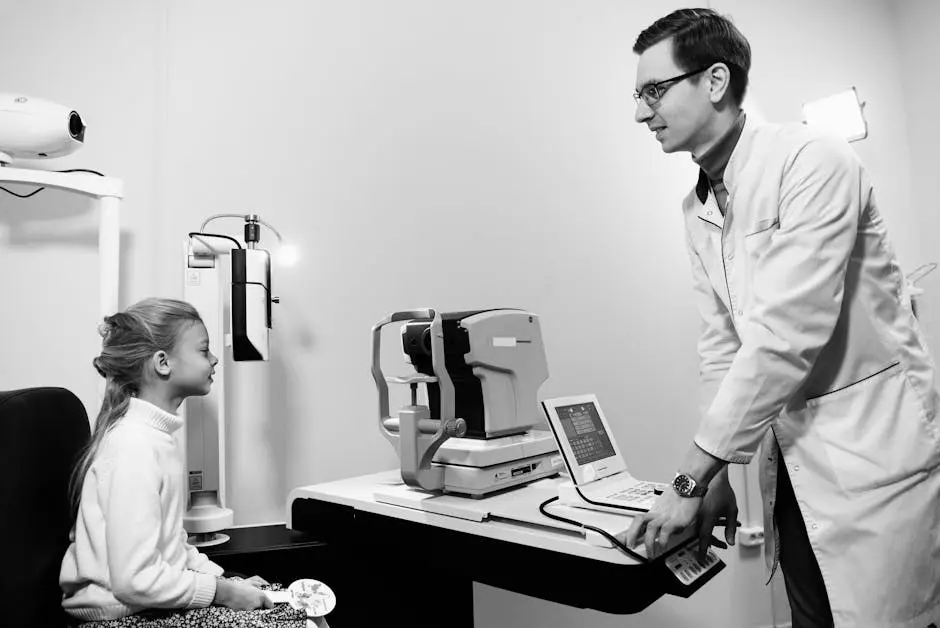
Understand Common Eye Diseases
Learn about common eye conditions such as glaucoma, macular degeneration, and cataracts. Knowing what they are and how they develop can help you take preventive measures effectively.
Glaucoma, for instance, is a condition that damages the optic nerve and can lead to irreversible blindness if not detected early. It is often linked to high pressure in the eye. Regular screenings are vital since symptoms can be silent and subtly progressive.
Macular degeneration, a leading cause of vision loss, affects central vision, making it difficult to read or recognize faces. Understanding the risk factors, like age and family history, can guide you in taking preventive steps, such as dietary adjustments and lifestyle changes.
Cataracts are characterized by clouding of the eye’s lens, leading to blurry vision. They can develop slowly, but over time, surgery may be necessary. Regular check-ups can aid early diagnosis and management to maintain clear vision.
Regular Eye Exams Are Key
Schedule regular eye exams with your optometrist or ophthalmologist. Early detection of potential issues plays a crucial role in preventing serious complications and maintaining healthy vision.
At Mid-Atlantic Eye Care, we recommend comprehensive eye exams every one to two years, depending on age and risk factors. Each visit includes a thorough assessment of eye health, vision acuity tests, and screenings for diseases like glaucoma and macular degeneration.
Regular eye exams not only assess eye health but also offer insights into your overall health. Conditions like diabetes and high blood pressure can be detected during an exam, allowing for timely intervention that benefits both eye health and general well-being.
Adopt a Healthy Diet
Eating a balanced diet rich in fruits, vegetables, and omega-3 fatty acids supports eye health. Foods high in vitamins C, E, zinc, and lutein can lower the risk of developing macular degeneration.
Incorporating leafy greens like spinach and kale into your meals can boost lutein and zeaxanthin levels, which are essential for maintaining healthy vision. Omega-3 fatty acids in fatty fish, such as salmon and tuna, help prevent dry eyes and may reduce the progression of age-related eye conditions.
Carrots, rich in beta-carotene, contribute to night vision and overall eye health. Meanwhile, nuts and seeds provide essential fatty acids and vitamin E, which can help delay cataract formation and age-related macular degeneration.
Protect Eyes from UV Damage
Wearing sunglasses that block 100% of UV-A and UV-B rays helps prevent cataracts and other eye conditions caused by sunlight exposure.
Choosing sunglasses with a wrap-around frame can further shield your eyes by reducing exposure to light from the sides. It’s important to wear them year-round, even on cloudy days, as UV rays can penetrate clouds and cause harm.
Additionally, consider using a broad-brimmed hat when spending prolonged periods outdoors, as it can decrease UV exposure by up to 50% and protect sensitive areas around the eyes.
Minimize Screen Time Effects
Limit the strain of digital devices by following the 20-20-20 rule. Every 20 minutes, look at something 20 feet away for 20 seconds to help reduce eye fatigue.
Ensure your screen is positioned an arm’s length away from your face and slightly below eye level to promote a natural head and neck position. Use anti-glare filters or blue light glasses to reduce glare and screen flicker, mitigating eye strain.
Adapting the lighting in your room to match the brightness of your screen can reduce the contrast and prevent additional strain on your eyes. Taking breaks and incorporating regular blinking can also help keep your eyes lubricated and comfortable.
Avoid Smoking
Smoking increases the risk of developing eye diseases. Quitting smoking is one of the best things you can do for your eye health and overall well-being.
Cigarette smoke contains chemicals that can harm eye tissues, increasing the risk of cataracts, macular degeneration, and damage to the optic nerve. These effects are compounded over time, and quitting smoking significantly benefits eye health.
Seeking support from smoking cessation programs can improve your chances of quitting successfully, helping to preserve your vision and enhance overall health. Remember, it’s never too late to make a positive change for your eyes.
Protect Your Vision for a Lifetime
By incorporating these simple strategies into your daily routine, you can significantly reduce the risk of eye diseases and promote long-term eye health. Remember, prevention is always better than cure, and your eyes deserve the best care possible.