
In today’s fast-paced world, it’s easy to overlook your health, especially when it comes to your eyes. Yet, regular eye exams are crucial not just for vision correction, but for your overall well-being. Let’s explore why making time for regular eye exams should be a priority in your healthcare routine.
Understanding the Importance of Eye Health
Your eyes are your windows to the world, and maintaining their health is vital for a high quality of life. Regular eye exams help in detecting eye conditions early, preventing vision loss, and keeping your eyes as healthy as possible.
It’s fascinating how our eyes, though small in size, hold such significant sway over our health. While we often think of eye exams as a way to update our glasses or contact lenses, they are fundamental in the early detection of several chronic conditions. Unbeknownst to many, the eyes can reflect overall bodily health, and changes in eye appearance or vision can signal underlying health issues. Therefore, keeping up with regular eye check-ups is not just about ensuring clear vision but about being vigilant about our general health. This comprehensive approach to eye health underscores the importance of these exams in promoting overall well-being.
From children to seniors, every life stage brings with it changes in eye health. For instance, children might face issues like myopia that can impact their learning, underscoring the need for pediatric eye exams. Adults, on the other hand, may begin to experience the early signs of glaucoma or cataracts with age. By understanding the importance of eye health and scheduling regular examinations, you not only protect your vision but also contribute to a healthier future for yourself and your family.
Detecting More Than Just Vision Problems
Eye exams do more than determine your prescription for eyeglasses or contact lenses. They can detect a range of health issues like diabetes, high blood pressure, and even certain types of cancer that can manifest in your eyes.
It’s surprising for many to learn that early signs of systemic diseases can be detected during routine eye exams. Conditions such as diabetes can manifest in the eyes long before you notice symptoms elsewhere. Diabetic retinopathy is a prime example, where iconic changes in retinal blood vessels signal high blood sugar levels. Similarly, signs of high blood pressure might appear in the form of damage to the blood vessels in your retina, a condition in medical terms known as hypertensive retinopathy. Regular eye examinations serve as a powerful tool in catching such conditions early, which is crucial for timely intervention and treatment.
Moreover, cancers like melanoma can be detected through a thorough eye check-up. Unusual spots or growths within the eye may suggest something more sinister that requires attention. Thus, your humble eye exam can become a powerful screening tool for detecting various health issues early on, potentially saving you from more severe health complications down the road.
The Ideal Frequency for Eye Exams
Knowing how often to get your eyes checked is critical. Most adults should have an eye exam every one to two years depending on age, risk factors, and whether you currently wear corrective lenses.
As a general guideline, adults between the ages of 18 and 60 should schedule a comprehensive eye exam every two years, while those over 60 should aim for an appointment annually. Children should have their first complete eye exam at six months, another at age three, and before starting school. After that, it’s wise for them to have exams every year or two. However, individuals with underlying health conditions or a family history of eye diseases might need more frequent check-ups to monitor their vision health appropriately.
Specific life circumstances might also necessitate a different exam frequency. For example, those working extensively with computers may need more frequent visits due to digital eye strain. Similarly, people with existing visual impairments or eye-related conditions should adhere closely to the frequency recommended by their optometrist. Regular communication with your eye specialist can help tailor an examination schedule that best fits your personal health profile and lifestyle needs.
What to Expect During an Eye Exam
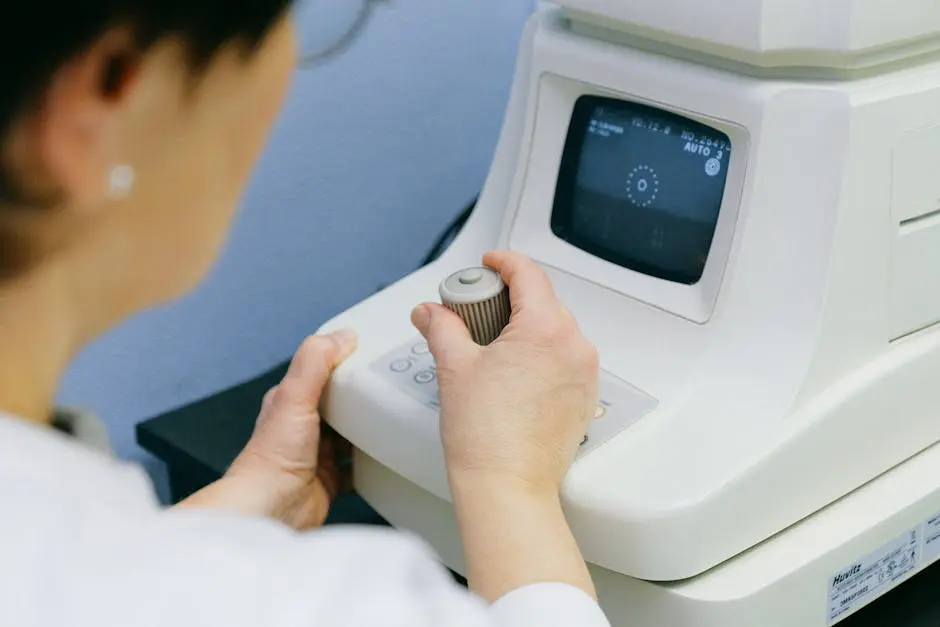
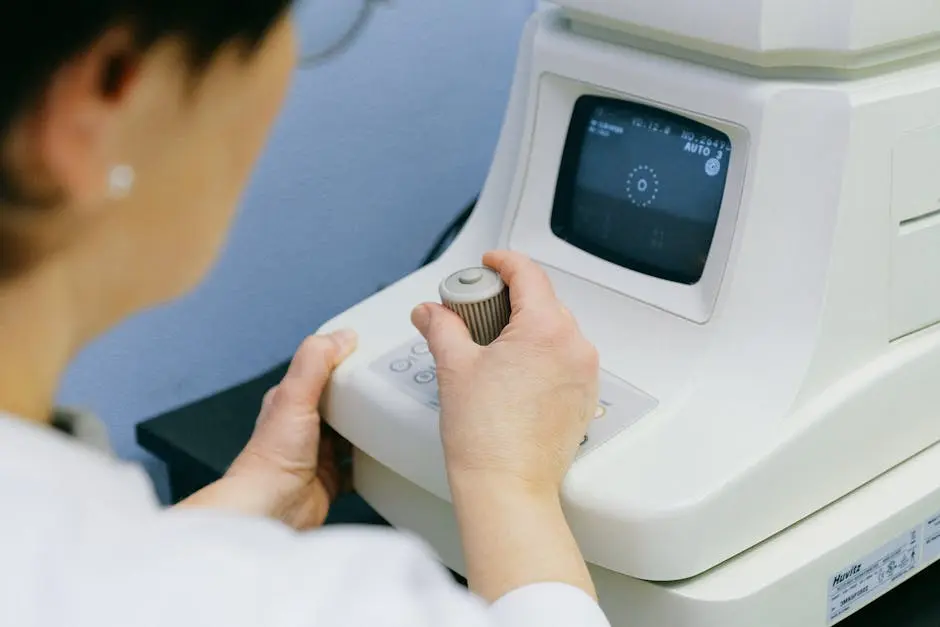
An eye exam isn’t as intimidating as it sounds. Your optometrist will test your vision, check for eye diseases, and help you find the best options to correct or enhance your vision if necessary.
An initial step during an eye exam usually includes a vision acuity test, where you’ll read letters on a chart. This simple exercise checks your ability to see at various distances. Following this, you’re likely to undergo a series of tests such as a refraction assessment, where the doctor identifies any refractive error requiring correction. Specialized tests like tonometry measure intraocular pressure to rule out glaucoma, while retinal exams inspect the back of your eye for any abnormalities.
Each component of the exam is designed to provide a comprehensive understanding of both the health and function of your eyes. These insights aid in crafting a personalized plan to address any issues found. Your eye care specialist engages you in discussions about lifestyle adjustments or tailored treatments based on exam outcomes, playing a crucial role in managing your vision and overall health sustainably.
Prioritize Your Vision and Health
Regular eye exams are more than just a check on your vision; they’re a vital part of maintaining your overall health. By scheduling regular eye exams, you take a proactive step in safeguarding not just your sight, but your entire body’s well-being. So, make that appointment today and take a step toward a healthier future. Visit Mid Atlantic Eye Care to schedule your comprehensive eye exam.