
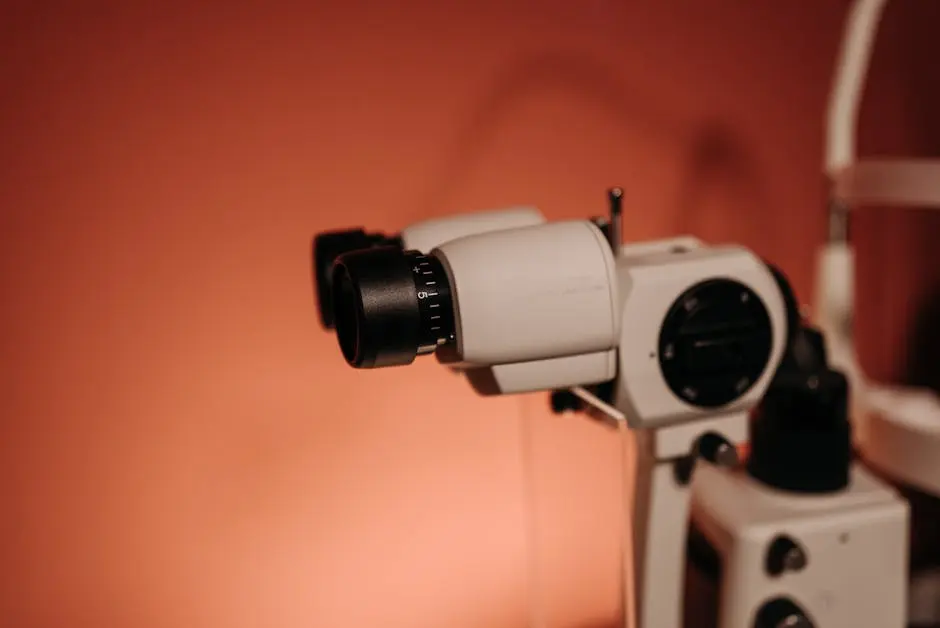
The world of eye care is constantly evolving, bringing forth remarkable technologies that enhance our vision and improve our quality of life. In Virginia Beach, we’re seeing a surge of advanced vision technologies that are transforming how we perceive the world. Discover these cutting-edge innovations that are making a significant impact in the field of eye care.
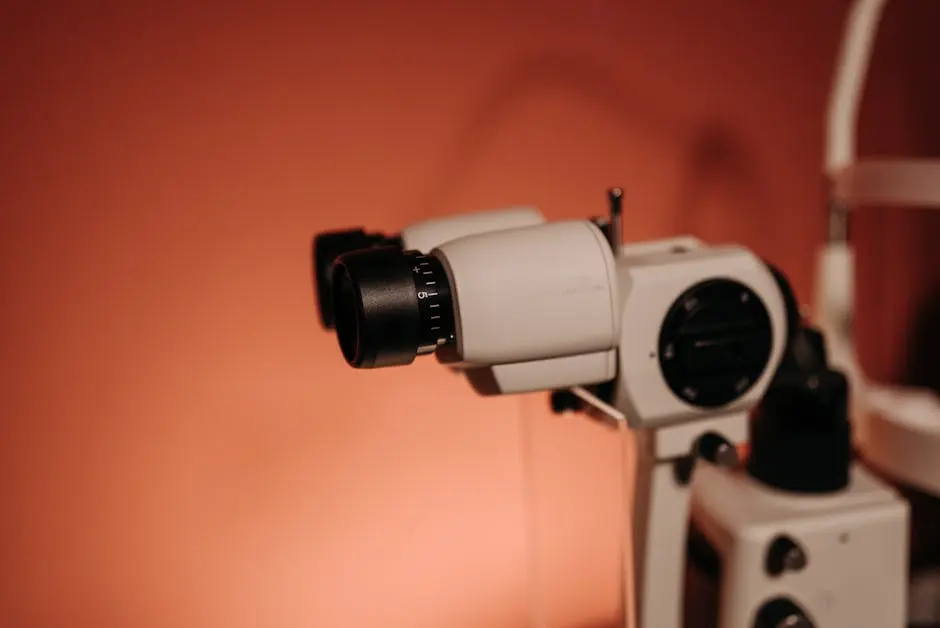
1. Retinal Imaging Revolution
Retinal imaging technology offers a non-invasive way to get a detailed view of the retina, the innermost layer of the eye. This technology is crucial for early detection and management of eye diseases like glaucoma and macular degeneration, helping patients preserve their vision. With advancements such as Optical Coherence Tomography, doctors can now achieve greater clarity at microscopic levels, making diagnosis and monitoring more precise.
Moreover, these developments are not just limited to diagnosis. With ongoing research, retinal imaging continues to evolve, potentially paving the way for the discovery of new treatments for various eye conditions. The non-intrusive nature of this technology also means that patients experience less discomfort during examinations, encouraging more people to have their eyes checked regularly.
2. Laser-Assisted Cataract Surgery
Laser technology has greatly enhanced the precision and safety of cataract surgery. By using lasers, surgeons can perform delicate procedures with minimal risk of complications, leading to quicker recovery times and improved visual outcomes for patients. This is particularly beneficial for older adults, who often seek cataract surgery to restore clear vision impaired by cloudy lenses.
Patients can now choose from a variety of intraocular lenses tailored to their lifestyle needs, such as toric lenses for astigmatism correction. The precision of laser-assisted surgery not only enhances the accuracy of lens placement but also reduces the likelihood of future corrective surgeries. As technology continues to advance, the expectations for cataract surgeries grow, allowing patients to regain a natural, clearer sight with ease.
3. Corneal Cross-Linking
For those with keratoconus, corneal cross-linking offers hope by stabilizing the cornea and preventing disease progression. This minimally invasive procedure strengthens corneal fibers, potentially delaying or eliminating the need for a corneal transplant. Patients who undergo this procedure experience an intervention that halts deterioration while preserving vision quality.
The beauty of corneal cross-linking lies in its ability to target and treat the unique structural issues of the cornea while offering a quick recovery period. Researchers are continuously exploring ways to optimize this treatment, making it more accessible and effective for a broader patient base. Given its promise and potential, this technology is a lifeline for many grappling with progressive corneal disorders.
4. Smart Contact Lenses
Smart contact lenses are paving the way for futuristic eye care. These lenses not only correct vision but can also monitor health indicators, like glucose levels in tears, offering an integrated approach to eye care and general health management. Imagine a future where your contact lenses do more than just help you see—it’s a reality being explored today.
With embedded microchips, smart lenses act as a health tracker, alerting wearers to potential health issues before symptoms arise. This innovation holds the promise of transforming routine eye wear into a crucial component of preventative health care. As developments continue, these lenses could soon include features that monitor other aspects of health, offering a comprehensive health overview with incredible convenience.
5. Advanced Intraocular Lenses
Modern intraocular lenses used in cataract surgery now offer patients options that cater to their lifestyles with multifocal and accommodating lenses, providing clear vision at all distances and reducing dependence on glasses. This is a significant step forward in post-surgical vision correction.
The development of these lenses underscores the importance of personalized medicine, as patients can discuss with their doctors which type of lens best fits their needs and activities. With the continuous advancements in lens technology, patients can anticipate even more tailored solutions in the future, allowing for a seamless transition back to normal visual tasks without any compromise.
6. High-Definition Optometry
High-definition optometry allows for precise prescriptions with the use of wavefront technology. This results in customized lenses that offer superior visual clarity and comfort, accommodating specific visual needs. Patients often experience a visual experience that far surpasses what conventional lenses can offer.
Taking optical science to a new level, high-definition lenses effectively address aberrations that standard methods might overlook. For those requiring lenses, this means clearer night driving, sharper reading, and more comfortable vision in everyday life. As this technology continues to progress, we can anticipate high-definition lenses becoming the standard in optometry rather than the exception.
7. Teleophthalmology Advancements
Teleophthalmology brings eye care into the digital age by allowing patients to receive consultations and follow-ups remotely. This technology is especially beneficial for those with limited mobility or living in remote areas. As connectivity and technology improve, teleophthalmology services will likely expand their reach even further.
In addition to convenience, teleophthalmology also allows for real-time monitoring of certain conditions, reducing the need for frequent in-office visits. This can lead to better management of chronic eye conditions and prompt intervention when necessary. Through the seamless integration of digital health care in eye services, patients stand to benefit from unparalleled service accessibility.
8. Genetic Testing for Eye Disorders
Genetic testing is now available for identifying hereditary eye diseases, empowering individuals to take proactive steps in managing their eye health. This knowledge can lead to targeted therapies and better preventive strategies. Knowing one’s genetic predisposition to certain conditions can be a game-changer in preventive eye care.
By understanding the genetic markers associated with eye diseases, patients and doctors can formulate personalized care plans to mitigate risks. This advancement is especially crucial for families with a history of eye disorders, allowing them to break the cycle and ensure healthier future generations. Genetic testing thus stands as a beacon of hope in preventative ophthalmology, making strides towards eye health longevity.