
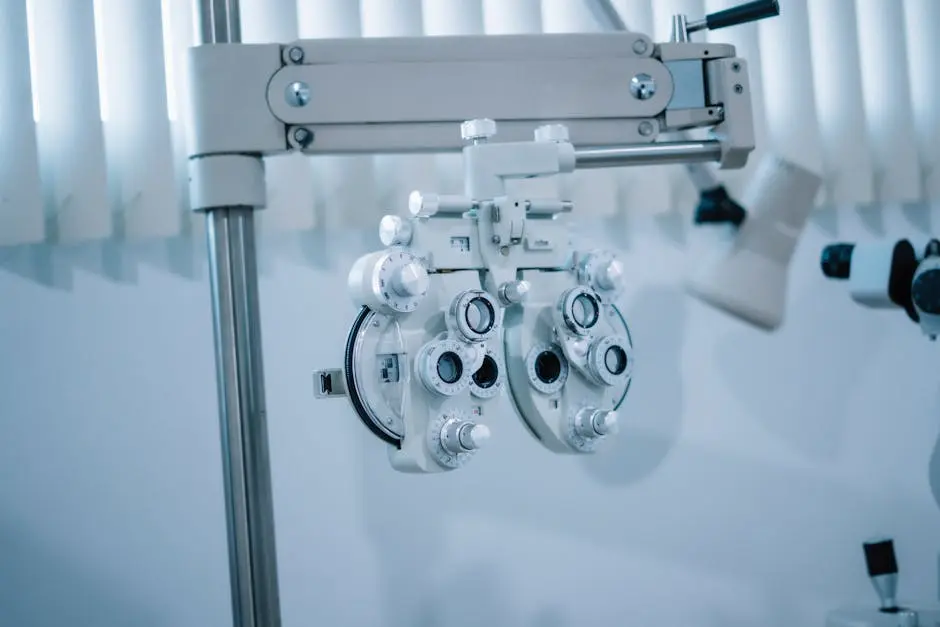
Cataracts can impair your vision and affect your daily life, so knowing when to consider surgery is crucial. This guide will help you understand cataracts and the signs that indicate it’s time to consult a specialist.
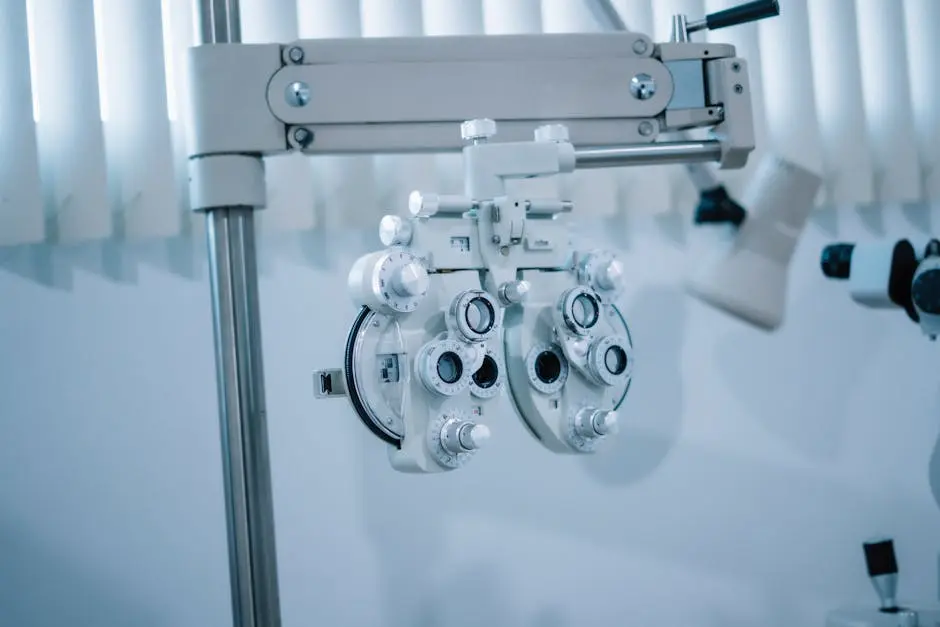
What Are Cataracts?
Cataracts are a common eye condition where the lens becomes cloudy, leading to impaired vision. Understanding cataracts is the first step in determining if surgery is necessary.
The development of cataracts can vary from person to person. They generally form slowly and might not disturb your eyesight early on. However, with time, cataracts will eventually interfere with your vision. It’s essential to understand the nature of cataracts to evaluate whether you’re a candidate for surgery.
Interestingly, cataracts can develop in one eye or both, although they don’t usually develop symmetrically. This condition is largely related to aging but can also be influenced by other factors such as certain medications, diabetes, or previous eye injury.
Recognizing Symptoms of Cataracts
Typical symptoms include blurry vision, difficulty seeing at night, and sensitivity to light. If you’re experiencing these, it might be time to consider an evaluation.
Patients often report seeing ‘halos’ around lights, particularly at night, which can be quite distracting. If you’re noticing that you’ve become more prone to experiencing glare or that you need brighter light to read or do other activities, these could be indicators of cataracts.
Another symptom worth noting is a frequent change in prescription for your glasses or contact lenses. Cataracts can cause nearsightedness over time, making it difficult to keep an updated prescription.
When Is Cataract Surgery Recommended?
Surgery is generally recommended when cataracts severely affect your vision and quality of life. Consider your daily challenges and consult with a specialist for advice.
It’s important to weigh how cataracts are impacting your day-to-day activities. If you find it difficult to work, drive, engage in hobbies, or maintain independence due to poor vision, surgery could be the most effective option.
You should discuss with your eye doctor about the timing and benefits of cataract surgery. They will advise you on whether it’s prudent to wait until cataracts are more developed or to proceed with surgery sooner to improve your quality of life.
Consulting an Eye Doctor in Chesapeake
Schedule a comprehensive eye exam with a local eyecare professional to evaluate the progression of cataracts and discuss potential treatment options.
At Mid Atlantic Eye Care, our experts provide thorough eye exams that are designed to detect cataracts early. We ensure that you understand all your options and feel confident in the decisions you make regarding your eye health.
Our team focuses on individualized care, so you can expect personal attention and a customized treatment plan tailored to your specific needs, ensuring the best possible outcomes for your vision.
Understanding the Cataract Surgery Procedure
Learn about what to expect during the surgery, including the use of advanced technology and the quick recovery time, to ease your concerns.
Cataract surgery typically involves removing the cloudy lens and replacing it with an artificial lens. This procedure is one of the safest and most effective surgeries performed today.
Thanks to recent advancements, you can expect a relatively quick recovery period. Most people experience improvement in their vision within a few days, making it a convenient option for many.
If you’re considering cataract surgery and want more details about the procedure, reach out to us at Mid Atlantic Eye Care. We’re here to provide the information and support you need every step of the way.
Making the Decision for Cataract Surgery
Recognizing the signs of cataracts and understanding when to seek surgery can greatly enhance your quality of life. Always consult with an eyecare professional in Chesapeake for a personalized evaluation.