
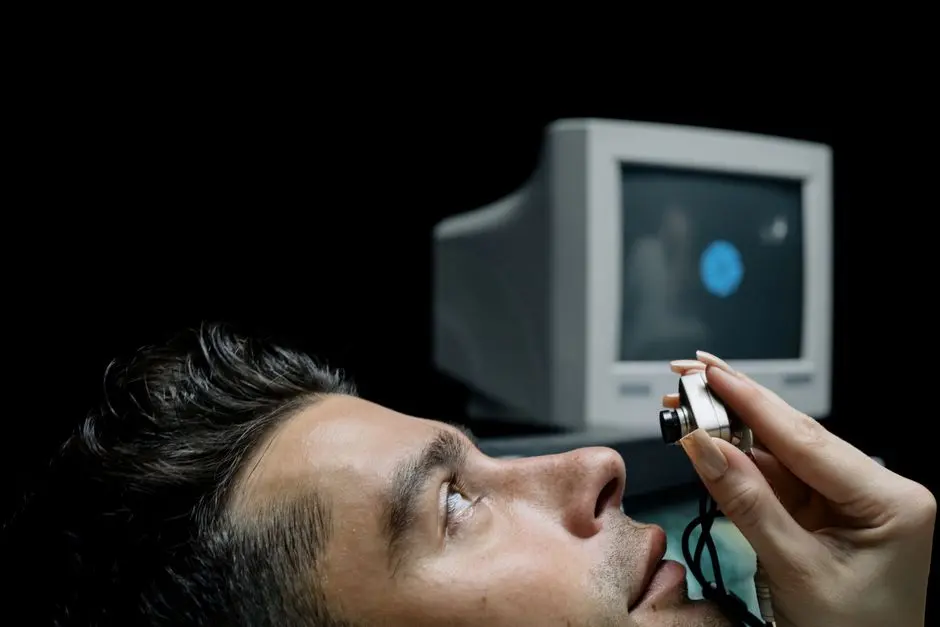
Our eyes are one of the most vital organs in our body, yet many of us often overlook their care. This blog explores some common eye diseases, helping you to identify symptoms early and take proactive steps towards maintaining your eye health.
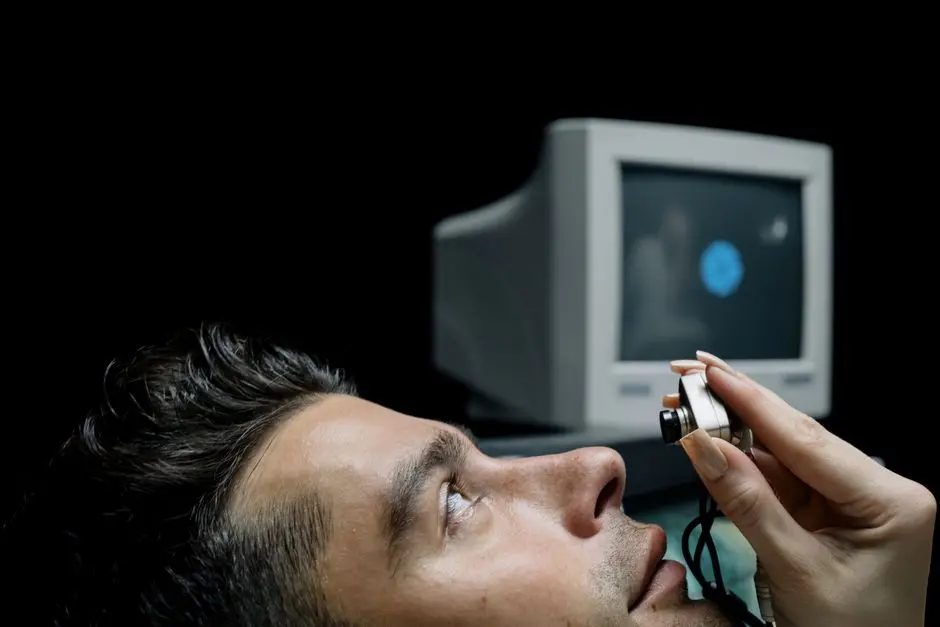
Cataracts: The Clouding of Vision
Cataracts often start small and might not affect your vision significantly at first. Over time, the clouding in your lens grows, making vision duller and more difficult. This condition is predominantly linked to aging. However, other risk factors include diabetes, trauma to the eye, or prolonged exposure to ultraviolet (UV) rays. Understanding these triggers can be the first step in cataract prevention. A cataract operation is a standard procedure that involves removing the clouded lens and replacing it with a clear, artificial one, restoring sight effectively. Maintaining a diet rich in antioxidants can also contribute positively to eye health.
Innovative treatments for cataracts are being explored to improve outcomes. Research into non-surgical options involving eye drops with compounds that may help dissolve cataracts is ongoing. This could change the future landscape for treatment, primarily benefiting those who might be unable to undergo surgery due to underlying health issues. It’s essential to keep regular appointments with your eye doctor. Such measures can help in early detection, monitoring any lens changes swiftly, and addressing them before they seriously impact your life.
Glaucoma: The Silent Thief of Sight
Glaucoma is an eye disease that damages your eye’s optic nerve, often due to high pressure inside your eye. Initially, there are no symptoms, but as it progresses, one may start noticing blind spots in their peripheral or central vision, depending on the type of glaucoma. Open-angle glaucoma is the most common form, slowly wearing down vision without pain. Risk factors include genetics, with a higher predilection among those with African, Asian, or Hispanic heritage, those over 60, and individuals with conditions like hypertension and diabetes.
Detecting glaucoma early is critical as any vision loss is irreversible. Doctors emphasize the significance of regular eye screenings, especially for high-risk groups. Treatments include prescription eye drops to reduce intraocular pressure, oral medications, laser treatment, or surgical procedures. In discussing laser treatments for glaucoma, options such as trabeculoplasty can enhance the eye’s drainage angle, reducing pressure.
The future of glaucoma management lies in adopting advanced technology, such as the use of smart contact lenses that monitor eye pressure changes and prompt timely intervention. Combining technological intervention with lifestyle changes can prevent exacerbation. A balanced diet, regular exercise, and avoiding caffeine and tobacco improve overall eye health. Managing biometric health factors like blood pressure and cholesterol is crucial. Safeguarding your eyes and ensuring regular visits to your eye specialist can help thwart glaucoma’s silent attempts to steal your sight unnoticed.
Age-Related Macular Degeneration (AMD)
AMD is one of the leading causes of vision loss among the elderly and affects the macula, the part of the eye responsible for clear central vision. There are two types; dry and wet AMD. Dry AMD develops when the retina tissues thin, leading to progressive vision loss. Wet AMD, though less common, advances faster and involves blood vessels leaking into the macula. Those with a family history of AMD, smokers, or people with cardiovascular disease have an increased risk, as well as those exceeding 55 years.
Significantly altering one’s lifestyle can mitigate the progression of AMD. A diet rich in leafy greens, fish, and nuts, along with maintaining healthy blood pressure and cholesterol levels, can lessen the risk or impact of AMD. Evidence also points to the benefits of wearing sunglasses that block UV rays, as chronic exposure to UV light can exacerbate macular degeneration. The advent of AREDS supplements – a special formulation of vitamins C, E, zinc, copper, and beta carotene – offers some individuals a way to stave off advanced symptoms when prescribed by a doctor.
Research continues into more refined treatments for both forms of AMD, with ongoing studies surrounding gene therapy, stem cell therapy, and other precision medicine approaches showing promise. These innovative solutions aim to repair or regenerate damaged cells in the retina. While waiting for these breakthroughs to become widely available, regular check-ups with your eye doctor remain critical. Prompt intervention can prevent severe vision loss, allowing individuals to lead a healthier, independent lifestyle for longer.
Diabetic Retinopathy: A Diabetes Complication
Diabetic retinopathy is a common complication of both type 1 and type 2 diabetes resulting from unmanaged blood sugar levels damaging blood vessels in the retina. It progresses through several stages. Early on, it may not present noticeable symptoms; however, as it advances, blood vessels leak, and can lead to vision blurring or loss. The longer you have diabetes, the more likely you are to develop this condition. Maintaining blood sugar, blood pressure, and cholesterol levels within target ranges is crucial in effectively managing and slowing this disease.
Prevention and treatment hinge greatly on maintaining regularity with healthcare appointments. Monitoring A1C levels and ensuring routine retinal screenings can pinpoint early signs of retinopathy before vision impairment occurs. Laser surgery, known as photocoagulation, can seal off leaking blood vessels or shrink abnormal ones. More recently, anti-VEGF injections help reduce new blood vessel growth in the retina, providing another defense against this silent affliction.
Going beyond medical treatments, education and lifestyle adjustments play a part in managing diabetic retinopathy. Engaging in daily physical activities that suit your capacity, maintaining a diet low in sugar and refined carbohydrates, and abstaining from smoking significantly increase your likelihood of maintaining eye health. Discussing a comprehensive plan with your healthcare team can ensure that your medical interventions and lifestyle choices align perfectly, providing a comprehensive strategy to beat diabetic retinopathy.
Dry Eye Syndrome: More Than Just Discomfort
Dry Eye Syndrome occurs when your tears aren’t able to provide adequate lubrication for your eyes. Insufficient and poor-quality tears can leave your eyes feeling gritty or burning. Factors behind this syndrome vary from environmental conditions to prolonged screen usage, and even chronic conditions like thyroid disorders or autoimmune diseases. Acknowledging these causes helps in addressing more than surface-level solutions.
Contemporary treatments range from artificial tears to more advanced interventions such as punctal plugs, which prevent tears from draining too quickly. Lifestyle alterations can complement medical treatments effectively. Blinking regularly during screen time, staying hydrated, or even installing humidifiers in your home can have substantial impacts. Research has also shown that incorporating omega-3 fatty acids through supplements or dietary sources such as fish significantly mitigates dry eye symptoms. Exploring such avenues beyond traditional methods might offer longer-lasting relief from discomfort.
Ongoing clinical trials examine potential treatments like eye drops containing anti-inflammatory medications to treat underlying inflammation impacting tear production. As more solutions arise, staying informed about available and forthcoming treatments is essential. To effectively manage dry eye syndrome, engaging professional eye care remains paramount. Our professional eye care services ensure expert evaluation and tailored treatment plans to tackle your individual needs and give lasting relief from dry eye symptoms.
Protecting Your Vision: Key Takeaways
By understanding these common eye diseases and their symptoms, you can take better care of your eye health. Regular checkups and healthy lifestyle choices play a significant role in preventing and managing eye problems.