
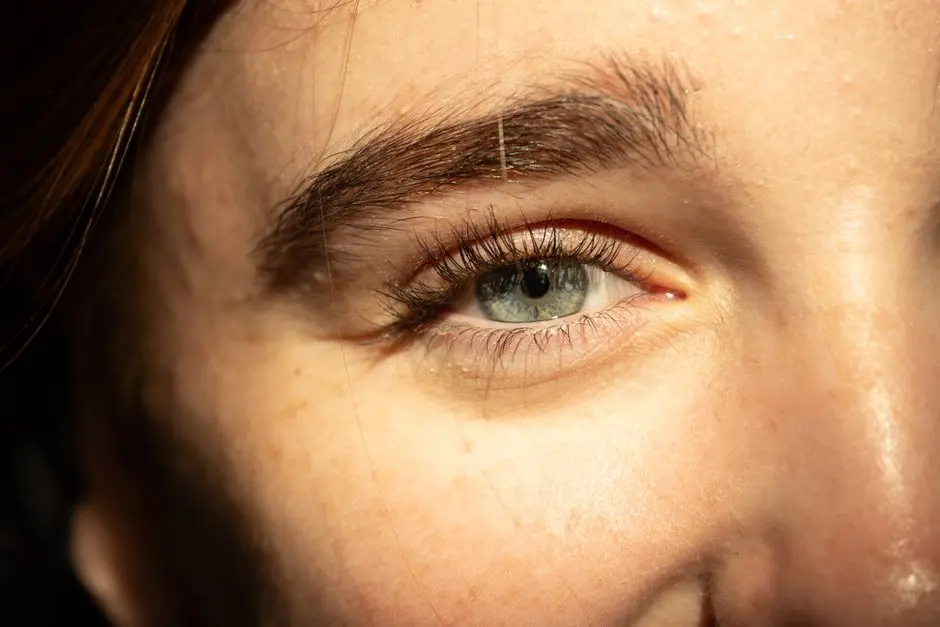
In today’s digital world, our eyes are constantly exposed to screens and artificial light, making eye care more important than ever. Maintaining healthy eyes and taking care of your retina is crucial for a lifetime of clear vision. This simple and informative guide will share practical tips to help you keep your eyes in top condition.
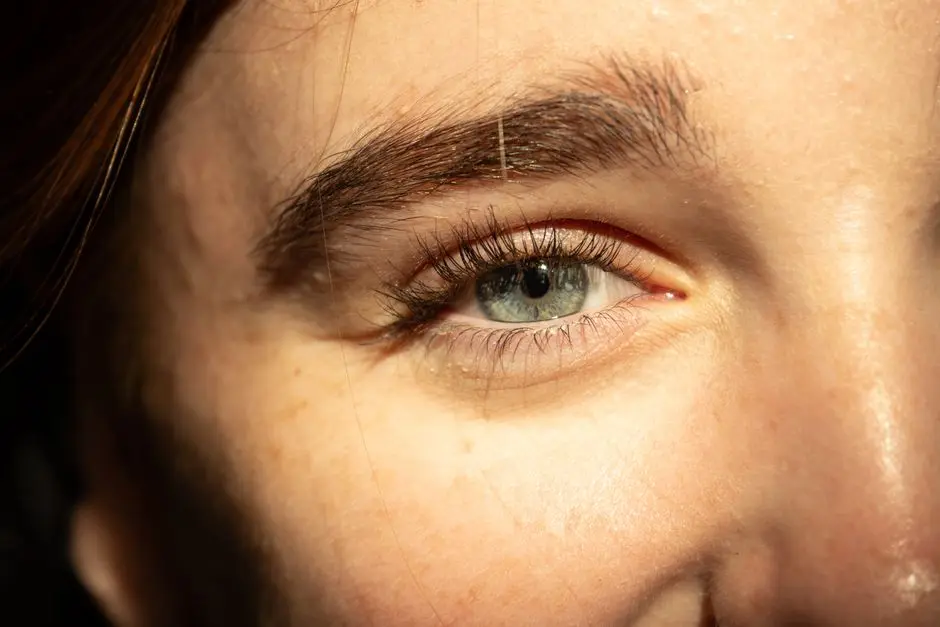
1. The Importance of Regular Eye Exams
Visiting your optometrist regularly is essential for early detection and treatment of potential eye issues. Regular check-ups can help identify problems before they become serious. With each visit, your doctor can manage and track changes in your eye health, offering peace of mind and ensuring optimal vision care. While many assume that only those with vision problems need eye exams, they are actually an important part of preventative health care for everyone. By catching potential issues early, you can avoid more invasive treatments later.
2. Nutrition for Eye Health
A balanced diet rich in vitamins and minerals supports retina health. Add foods high in omega-three fatty acids, lutein, and vitamins C and E to your meals. These nutrients are crucial in reducing the risk of chronic eye diseases, such as age-related macular degeneration and cataracts. Leafy greens, oily fish, and citrus fruits are excellent food choices for maintaining eye health.
Moreover, zinc is another vital mineral that aids in maintaining retinal health. Foods such as nuts, beans, and whole grains are rich in zinc. Integrating these foods into your diet ensures your eyes get the nutrition they need to function optimally. Remember, what you eat has a direct impact on how well your eyes work!
3. The Role of Hydration
Staying hydrated is not just good for your body but also for your eyes. Drinking plenty of water helps maintain eye moisture and reduces dryness. When your body is well-hydrated, it ensures that your eye tissues function well all day long. In contrast, dehydration can lead to dry eyes that feel itchy and uncomfortable, making it crucial to drink enough water throughout the day.
4. Protection from UV Rays
Wearing sunglasses that block UV rays prevents damage to your retina and reduces the risk of cataracts. Opt for quality sunglasses whenever you step out into the sun, even on cloudy days, as UV rays can penetrate through the clouds. These protective measures keep your eyes safe from harmful exposure and help maintain overall visual health.
Don’t forget to also wear a hat with a brim, which offers additional protection by blocking out harmful rays. This combo of sunglasses and a brimmed hat is an effective way to shield your eyes from excessive sun exposure and premature aging.
5. The Benefits of Proper Lighting
Ensure your environment is well-lit to avoid straining your eyes. Proper lighting reduces the stress on your eyes during activities like reading or working on a computer. Harsh lights or dim lighting can cause eye fatigue and headaches, so it’s important to have a balanced light source.
Consider using task lamps with adjustable arm features for focused work, or dimmable LED lights that allow you to adjust the brightness as needed. This creates a comfortable environment for your eyes and contributes positively to your overall vision health.
6. Taking Breaks from Screens
Follow the rule of looking away from the screen every twenty minutes for twenty seconds to prevent digital eye strain and promote retina relaxation. This practice, known as the 20-20-20 rule, helps alleviate the discomfort associated with long periods in front of a screen.
Incorporating regular breaks into your screen time can reduce symptoms such as headaches, blurred vision, and neck strain. Take this opportunity to walk around or focus on distant objects, allowing your eyes to relax and regain focus.
7. Managing Screen Distance
Keeping screens at an arm’s length helps in reducing eye strain and encourages healthier viewing habits, protecting your retina from damage. Your screen shouldn’t be too close or too far away, allowing for a comfortable viewing distance. Positioning the screen correctly helps maintain posture and reduces unnecessary strain on your eyes and back.
8. The Importance of Sleep
Quality sleep is vital for eye health, providing necessary time for your eyes to repair and recover from daily strain. Adequate rest not only enhances memory and mood but also allows the eye muscles to relax fully.
Sleep deprivation can lead to symptoms like dry eyes and twitching, which can negatively impact your day-to-day life. Ensure you get around 7-9 hours of sleep, aligning with your body’s natural rhythm for optimal health and wellness.
9. Incorporating Eye Exercises
Simple eye exercises can help maintain flexibility and strength of the eye muscles, supporting long-term vision health. Exercises such as focusing on distant objects or doing figure-eight movements can ease eye strain.
Incorporating these exercises into your routine will enhance your eye’s focus and coordination. Spend a few minutes daily to engage in these exercises, and your eyes will thank you!
10. Reducing Smoking for Better Eyes
Smoking is linked to increased risk of eye diseases. Quitting smoking improves overall health and reduces the chance of retina damage. Smoking is a known risk factor for conditions like macular degeneration and can significantly accelerate vision loss.
By quitting smoking, you improve blood flow and oxygen levels to your eyes, promoting better health and function. Consider seeking support through cessation programs or resources, as quitting can be challenging but highly rewarding for your overall well-being.
11. Using Protective Eyewear
Whether at work or playing sports, appropriate eyewear protects against injuries and harmful substances that could affect your vision. Protective goggles shield your eyes from unexpected hazards during activities that involve flying debris or chemicals.
Ensure the eyewear fits well and is suitable for the task at hand, whether it’s impact-resistant goggles or wrap-around sunglasses. This proactive step helps prevent long-term damage and preserves your precious eyesight.
12. Managing Chronic Conditions
Conditions like diabetes can impact your eyes. Managing them effectively helps in preventing complications like diabetic retinopathy. Regularly consulting with healthcare providers to monitor your condition can avert severe consequences on your eye health.
Stay informed about the connection between chronic ailments and eye health. Taking steps to control blood sugar levels and blood pressure significantly reduces the risk of eye-related complications and maintains clearer vision.
13. Limiting Alcohol Intake
Excessive alcohol consumption can weaken your vision over time. Moderation is vital to maintaining eye health and preserving retina function. Alcohol can dehydrate the body, causing dry eyes and exacerbating existing vision problems.
Balancing alcohol intake with adequate hydration and nutrition mitigates its effects on eye health. Regular check-ups and discussions with your healthcare provider about safe consumption levels contribute to a clearer, healthier vision.
14. Monitoring Changes in Vision
Be vigilant about any changes in vision, like blurriness or difficulty focusing, and consult a professional if needed to address issues early. Swift intervention can drastically improve outcomes for many eye-related concerns.
Use this awareness as a tool to safeguard your eye health. Keeping track of vision changes and being proactive in addressing them ensures that your eyes receive the necessary care and attention.
15. Incorporating a Balanced Lifestyle
A healthy lifestyle, including a nutritious diet and regular exercise, supports the health of your eyes and overall well-being, reducing strain on your retina. Exercise not only improves circulation but also helps maintain a healthy weight, further contributing to eye health.
Embrace a routine that incorporates diverse activities like yoga or swimming, which offer both physical and mental benefits. This harmonious blend promotes a brighter, clearer outlook on life while preserving your precious vision.