
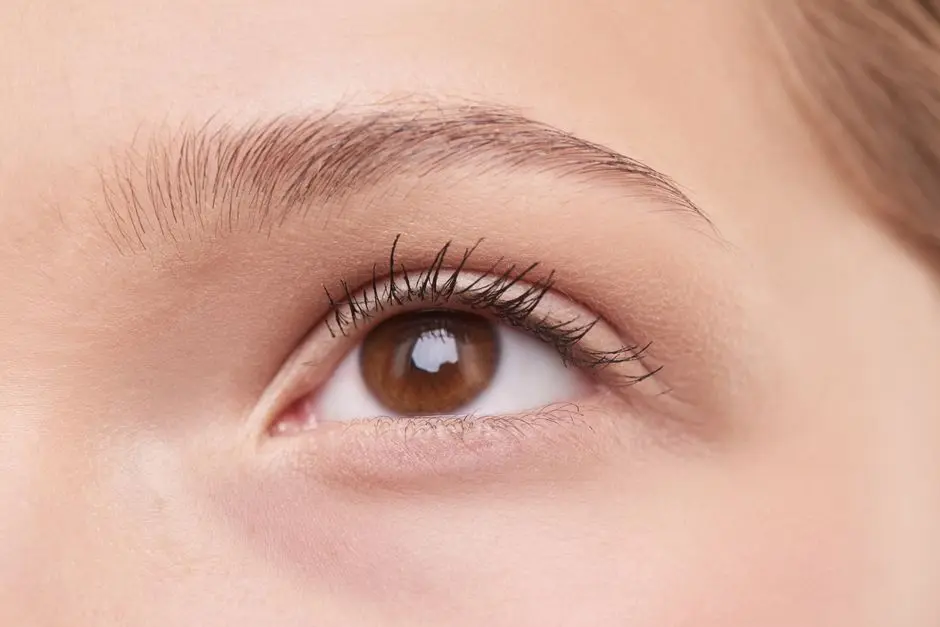
Maintaining healthy vision isn’t just about seeing clearly—it’s crucial for your overall well-being. Eye diseases can affect anyone, but with the right habits and knowledge, you can protect your eyes effectively. In this blog, we will explore practical tips to help you prevent common eye diseases and keep your vision in top condition.
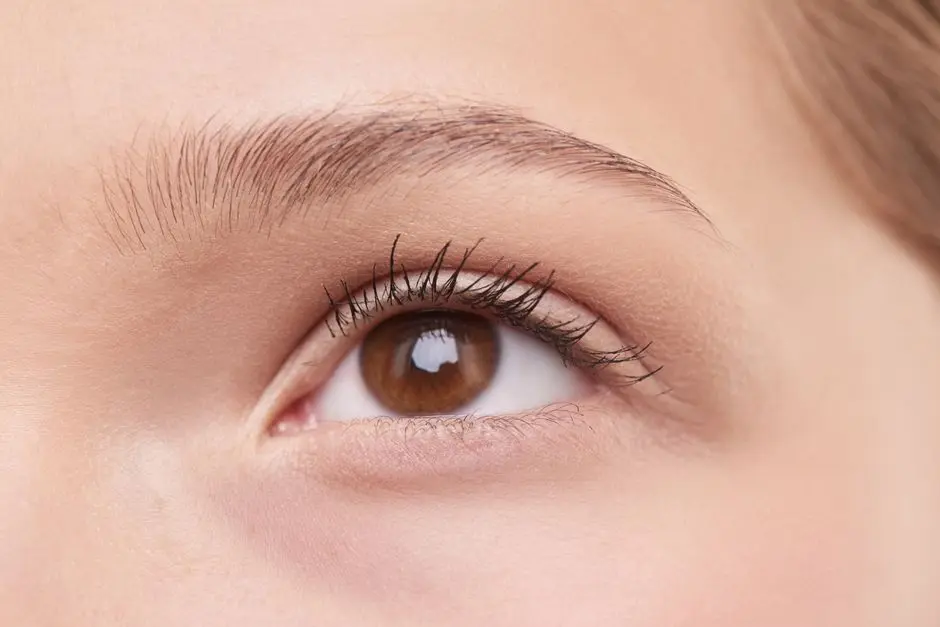
Understanding Common Eye Diseases
Before we dive into prevention tips, it’s important to understand the common types of eye diseases. These include cataracts, glaucoma, macular degeneration, and diabetic retinopathy. Knowing what these conditions are and how they affect your vision can help you identify early warning signs.
Cataracts develop slowly over time and can lead to blurry vision or even blindness if not treated properly. The lenses of the eyes become cloudy, affecting how we see light and colors. Glaucoma, on the other hand, involves damage to the optic nerve, often linked to high eye pressure, and can lead to vision loss if undiagnosed. Age-related macular degeneration (AMD) affects the part of our retina that handles sharp, central vision, while diabetic retinopathy, a complication of diabetes, impacts the blood vessels in the retina, potentially causing severe vision problems.
Regular Eye Exams: The Key to Early Detection
Scheduling regular eye exams is crucial for detecting eye diseases early, when they are often more manageable. An eye care professional can spot subtle signs of issues you might not notice, ensuring you receive appropriate treatment sooner.
The importance of these examinations cannot be overstated, as many eye conditions develop gradually and without pain, making it easy to overlook them until they reach an advanced stage. For instance, glaucoma is often dubbed the ‘silent thief of sight’ due to its lack of early symptoms. By having regular check-ups, you can also monitor changes in prescription, adjust to new vision needs, and ensure your eyes are functioning healthily.
Adopting a Balanced Diet for Eye Health
A diet rich in fruits, vegetables, and omega-3 fatty acids can support eye health. Nutrients like vitamin C, vitamin E, zinc, and lutein are particularly beneficial for preventing age-related eye diseases.
Leafy greens such as spinach and kale, fortified with lutein and zeaxanthin, are excellent choices for preserving vision. Similarly, omega-3 fatty acids, found in fish like salmon and tuna, contribute significantly to ocular health by supporting the brain and eye tissues. Embracing this nutritional profile not only helps in maintaining healthy vision but also enhances overall well-being.
Protecting Your Eyes from Harmful UV Rays
Exposure to UV rays can increase your risk of cataracts and other eye issues. Wearing sunglasses with UV protection, even on cloudy days, can help safeguard your eyes from the sun’s damaging rays.
Consider integrating wide-brimmed hats into your wardrobe for additional protection, especially during sunny outings. Combining protective eyewear with attention to sun exposure times can significantly minimize harmful impacts. Prolonged UV exposure may not only speed up cataract formation but also increase risks of macular degeneration and even skin cancer around the eyes.
Reducing Digital Eye Strain
In our digital age, many people experience eye strain from prolonged screen time. Following the 20-20-20 rule—taking a 20-second break to look at something 20 feet away every 20 minutes—can help reduce the strain on your eyes.
Positioning screens approximately 20 inches away from your eyes while maintaining an upward 4 to 5-inch view height aligns with ergonomic practices. Adjusting screen brightness to match the environment and using artificial tears to combat dryness are also vital steps to protect against strain. Keep this approach in mind as part of a modern self-care routine to mitigate the effects of blue light exposure from screens.
Quit Smoking for Better Vision
Smoking is linked to several eye diseases, such as macular degeneration and cataracts. If you smoke, quitting can significantly improve your eye health and reduce your risk of these conditions.
This may be a challenging endeavor, but the benefits far outweigh the difficulties. Not only does smoking cessation enhance your eye condition prospects, but it also leads to broader systemic improvements, including better circulation, which feeds into the health of your ocular tissues. Resources and support systems are available to help you embark on this transformative journey, providing substantial hope and direction towards improved eye health.
Safeguard Your Vision for the Future
By incorporating these simple practices into your daily routine, you can greatly reduce the risk of developing eye diseases. Remember, prevention is better than cure, and taking care of your eyes today will ensure a healthier, clearer tomorrow.