10 Eye Exam Tips for Residents of Virginia Beach

Ensuring that our eyes stay healthy is crucial for both our vision and overall well-being. For residents of Virginia Beach, this is particularly important given the vibrant lifestyle and sunny days that often involve outdoor activities. Here are some essential eye exam tips that will keep you seeing clearly.
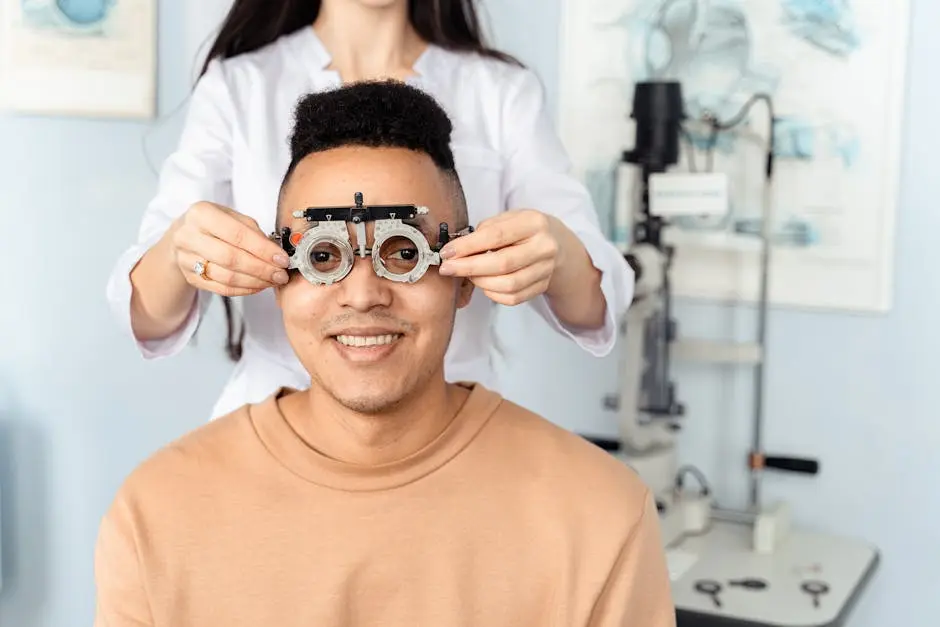
A man receiving an eye exam with a phoropter in an optometry clinic setting.

1. Understanding the Importance of Regular Eye Exams

Regular eye exams are key to maintaining good eye health and catching potential issues early. They help in diagnosing conditions you might not notice immediately, like glaucoma or retinal disorders. With our fast-paced lives, it’s easy to forget scheduling regular check-ups, but making it a priority can prevent more serious conditions from developing. Also, eye exams can reveal other health issues such as diabetes or high blood pressure. Therefore, it’s not just about your eyes but your overall health.

Virginia Beach’s coastal environment, while beautiful, can pose unique challenges to eye health due to sun exposure and salty air. Regular check-ups allow your optometrist to monitor any changes in your eyes related to these elements. So don’t overlook the benefits of a routine visit to your optometrist – it’s an investment in your future well-being.

2. Choosing the Right Optometrist in Virginia Beach

Finding a trusted optometrist in Virginia Beach who understands your needs is an important step. Consider their experience, location, and reviews from other patients when making your choice. It’s wise to look for professionals who keep up with modern technology and methods. You might even want to explore different practices to find one that aligns with your specific needs. Additionally, don’t hesitate to ask for recommendations from friends or family who live in the area.

In a community as dynamic as Virginia Beach, seeking an optometrist who offers a comprehensive approach to eye care is beneficial. Look for practitioners who integrate services like digital retinal imaging, which can offer deeper insights into your eye health. A holistic approach to eye care is key, as it addresses various aspects of your visual and overall health.

3. Preparing for Your Eye Exam Appointment

To make the most of your visit, prepare a list of any symptoms or vision changes you’ve experienced. Also, bring your current glasses or contacts to ensure a complete assessment. Understanding your family history of eye conditions can also provide valuable context for your exam. Write down any medications you are taking, as they can affect your vision.

Wear comfortable clothing, as some tests might require you to sit in a particular position for a while. If this is your first visit to a new optometrist, factor in some time for filling out forms or discussing your medical history. By being prepared, you not only make the appointment more efficient but also help your optometrist provide the best care possible.

4. Understanding Your Eye Exam Results

After your exam, your optometrist will explain the results. Understanding terms like myopia (nearsightedness), hyperopia (farsightedness), and astigmatism will help you make informed decisions about your eye care. Don’t hesitate to ask questions if there’s anything you don’t understand. Clarity in communication with your eye care provider ensures that you grasp all necessary information.

Catch subtle changes early by discussing trends in your eye health. Knowing these helps you track any shifts should you need corrective measures. Use the insights offered in your exam to guide lifestyle changes or corrective measures suggested by your optometrist, whether they relate to eyeglasses, contact lenses, or even surgical options.

5. Protecting Your Eyes from the Virginia Beach Sun

With plenty of sunshine in Virginia Beach, wearing sunglasses with UV protection is a must. This simple step protects against harmful UV rays that can damage your eyes. Look for sunglasses labeled with UV400, which indicates they block almost 100% of harmful UV rays. Besides sunglasses, wearing a wide-brimmed hat could further protect your eyes by blocking sunlight from above.

For those who enjoy days at the beach or outdoor sports, polarized lenses can reduce glare, making activities both safe and enjoyable. Remember, consistent protection is key, regardless of whether the sun is shining directly overhead or hidden behind clouds. Safeguard your sight just as you would your skin by applying sunscreen.

6. Eye Exercises and Their Benefits

Simple eye exercises can alleviate eye strain, especially if you spend long hours in front of a computer. Practice them regularly for healthier vision. The 20-20-20 rule is particularly effective: every 20 minutes, look at something 20 feet away for at least 20 seconds. This helps reduce computer-related vision strain.

Other exercises, like rolling your eyes and focusing on different distances, can also be beneficial. These exercises not only relieve tension but can aid in maintaining eye flexibility and focus. Incorporate these exercises into your daily routine to experience cumulative benefits.

7. Eating for Eye Health

A balanced diet rich in omega-3 fatty acids, lutein, and vitamins C and E can support eye health. Include foods like fish, leafy greens, and citrus fruits in your meals. Omega-3 found in fish like salmon plays a vital role in retinal health, while antioxidants in leafy greens protect against age-related damage.

Consider incorporating nuts and seeds as snacks, as they are packed with vitamin E, which helps maintain the clarity of your eyes. Berries are another powerhouse addition, rich in vitamin C to support eye capillaries. Remember, a diverse diet not only benefits your eyes but enhances your overall well-being.

8. The Role of Technology in Modern Eye Care

Emerging technology in eye care, from digital retinal imaging to optical coherence tomography (OCT), provides detailed insights into your eye health, making early diagnosis easier. These tools offer non-invasive ways to monitor the condition of the eyes, letting optometrists detect issues quicker and more accurately.

Embracing technological advancements means better care and more personalized treatment plans for patients. These technologies enable practitioners to create customized solutions to suit individual needs. Keep an eye on upcoming innovations to ensure you receive the highest quality care available, tailored to your needs.

9. Protective Eyewear for Active Lifestyles

For those engaged in sports or other physical activities, wearing protective eyewear can prevent injuries. Look for eyewear specifically designed for your sport. Whether you’re playing basketball or participating in scuba diving, there’s protective gear made to safeguard your eyes without sacrificing visibility or comfort.

Taking this proactive approach can spare you from painful injuries, saving you time and medical costs in the long run. Moreover, modern designs ensure that protective eyewear is stylish and comfortable, encouraging consistent use during physical activities.

10. Recognizing When to Schedule Your Next Exam

It’s important to know the signs that indicate you might need an eye exam sooner rather than later. Blurred vision, headaches, or sudden changes in vision should prompt a visit to your optometrist. Don’t ignore these warning signs, as they could be indicators of underlying conditions that require prompt attention.

Regularly reevaluating your vision allows for timely intervention, which could prevent serious issues from escalating. Additionally, keeping track of these changes could provide valuable insights for future visits. Staying vigilant about your eye health ensures you maintain clarity of vision and quality of life.


Understanding the Roles of Eye Physicians in Eye Care

Eye care is an essential part of maintaining overall health and well-being. With so many types of eye specialists available, it’s important to understand the specific roles each plays in ensuring the best vision and eye health. In this blog, we’ll explore the various roles of eye physicians, what they do, and why they’re important to your eye care.
Eye care professional in clinic using ophthalmology equipment, wearing glasses and a lab coat.

The General Practitioner of Eyes: Optometrists

Optometrists are a vital part of many people’s eye care journey. As the healthcare professionals trained to perform eye exams, they are adept at prescribing eyeglasses and contact lenses, as well as detecting and managing eye diseases. These specialists are essential for early diagnosis and treatment of common eye conditions like glaucoma, cataracts, and macular degeneration. It’s crucial to have your eyes checked regularly by an optometrist, as catching these issues early can prevent vision loss.

Beyond prescriptions and disease management, optometrists are often primary caregivers in eye health. They conduct exams to check for refractive errors, ensure eye health from an educational standpoint, and provide tailored eye care suggestions. Most importantly, their role includes preventive care, which is designed to catch issues that individuals may not notice. For instance, even subtle changes in vision or eye discomfort can indicate significant underlying health problems. Seeing an optometrist can often reveal early signs of diabetes and hypertension.

The Surgeons of the Eye: Ophthalmologists

Ophthalmologists differ from optometrists primarily in their surgical expertise. These medical doctors possess the advanced training necessary to perform surgeries that address severe eye issues such as cataract removal, LASIK vision correction, and retinal detachment repairs. Their scope of practice encompasses not just the diagnosis and management of conditions, but also interventions aimed at preserving or restoring sight, which might otherwise be lost without significant, timely medical attention.

Their expertise extends beyond surgery. Ophthalmologists are involved in research and development of advanced treatment methods and contribute significantly to our understanding of eye diseases. Some ophthalmologists even specialize further into subfields — from glaucoma specialists to retina experts — focusing their skills to better understand and tackle specific conditions, adding a layer of specialization that enhances their capability to handle even the most complex of cases. Their extensive training allows them to offer the latest in advancements in eye surgery technology.

Focusing on Children: Pediatric Eye Physicians

Pediatric eye physicians play a crucial role in enriching and safeguarding the vision health of our children. From infancy through adolescence, visual development is as critical as academic learning. Pediatric eye specialists address conditions like myopia, hyperopia, and astigmatism, alongside more specific childhood conditions such as lazy eye (amblyopia) and crossed eyes (strabismus), which are best treated when identified early. Given the significant impact these conditions can have on a child’s social interaction and learning environment, regular visits to a pediatric eye physician can be transformative.

They are also essential for ensuring that any vision impairments do not impede a child’s developmental milestones. Specialists provide guidance to parents on how to protect and encourage healthy eye development in everyday settings. Whether dealing with congenital eye defects, genetic disorders, or trauma-induced issues, pediatric eye physicians build a foundation for lifelong eye health. The American Academy of Pediatrics recommends early vision screening as a crucial step in proactive child health care.

Specialists in Vision Loss: Low Vision Specialists

Low vision specialists are instrumental for those experiencing vision reduction that traditional glasses or contacts cannot correct. These practitioners offer solutions beyond ordinary optical aids, leveraging specialized equipment such as magnifiers, high-powered lenses, and digital devices to optimize a patient’s remaining vision. Low vision rehabilitation can greatly impact quality of life, enabling patients to perform everyday tasks and enjoy activities they might otherwise have abandoned.

Beyond the provision of tools, they use training and adaptive techniques to help patients navigate their worlds safely and effectively. They also often collaborate with other healthcare providers to design comprehensive care plans that address the broader implications of vision loss, such as mental health impacts and lifestyle adaptations. Their work ensures that individuals can lead more independent lives, despite significant visual impairment, which is key to improving their overall quality of life.

Co-managing Eye Health: The Role of Opticians

Opticians are crucial in the fulfillment of vision prescriptions. While they do not diagnose or treat eye conditions, their expertise lies in improving quality of vision correction. By expertly fitting eyeglasses and contact lenses, opticians ensure that prescribed lenses align perfectly with the wearer’s needs. This precision in fit and adaptation of lenses not only enhances visual clarity but also boosts comfort and aesthetic satisfaction, reinforcing the link between practicality and style.

They also offer guidance on lens types and fits that best match individual lifestyles, whether for athletic pursuits, office work, or reading. This personal touch can make a significant difference in daily vision use and eye comfort, particularly when lifestyle changes prompt a switch in lens type or features, such as transition lenses or anti-reflective coatings. For those navigating complex prescriptions or seeking progressive lens solutions, opticians are indispensable in managing and executing lens options that deliver optimal results.

Choosing the Right Eye Physician for Your Needs

In conclusion, understanding the different roles of eye physicians can help you make informed decisions about your eye care. Whether it’s routine exams, vision correction, or treating complex eye diseases, each specialist plays a critical role in maintaining eye health and vision. Regular visits to the right eye care provider ensure that you receive the comprehensive care your eyes deserve. For more insights into selecting the appropriate eye care professional for your specific needs, visit our homepage where you can find all the information you need.


10 Tips for Maintaining Advanced Vision Health in Norfolk and Beyond

Caring for your eyes is a vital aspect of maintaining overall health and well-being. Whether you’re in Norfolk or anywhere else, having advanced vision health can make a significant difference in your quality of life. In this blog, we’ll explore practical tips that are easy to incorporate into your daily routine to keep your eyesight sharp and healthy.
An optometrist operates an eye examination machine in a clinic setting, enhancing visual health care.

1. Embrace a Nutrient-Rich Diet

A well-balanced diet rich in fruits, vegetables, and omega-3 fatty acids can greatly benefit your vision. Foods like carrots, spinach, and salmon are packed with nutrients that support eye health. These nutrients include vitamins A, C, and E, as well as minerals like zinc. For instance, carrots contain beta-carotene which the body converts into vitamin A, essential for good vision. Additionally, omega-3 fatty acids found in fish, such as salmon, are known to reduce the risk of age-related macular degeneration.

Dark, leafy greens like spinach and kale are also excellent sources of antioxidants. Lutein and zeaxanthin, found in these greens, have been shown to reduce the risk of chronic eye diseases. Incorporating these foods into your diet not only supports eye health but also contributes to improved overall well-being. Adding a variety of colorful fruits and vegetables ensures that you get a broad spectrum of nutrients necessary for maintaining advanced vision health.

2. Stay Hydrated

Keeping your body hydrated is crucial for overall health, including your eyes. Adequate hydration helps maintain the moisture balance in your eyes, reducing the risk of irritation and dryness. Dehydration can lead to a reduction in tear production, resulting in dry eyes, which can cause discomfort and blurred vision.

Incorporating a habit of drinking enough water daily can keep these issues at bay. Aim to drink at least eight 8-ounce glasses of water a day. Also, consider foods with high water content, such as cucumbers and melons, to further support hydration efforts. If you notice persistent dryness or irritation, it might be beneficial to consult with an eye care professional.

3. Get Regular Eye Exams

Scheduling regular check-ups with an eye specialist can help detect vision changes early and prevent potential issues from escalating. Eye exams are crucial for maintaining advanced vision health. These examinations can reveal conditions like glaucoma, cataracts, and retinopathy before they noticeably affect vision.

Early detection of conditions leads to more effective treatment, potentially preventing vision loss. Regular eye exams are especially important if you have a family history of eye disease, wear glasses or contact lenses, or suffer from chronic health conditions affecting vision. They also offer an opportunity to discuss any concerns directly with your optometrist or ophthalmologist.

4. Limit Screen Time

Extended exposure to screens can strain your eyes, leading to discomfort and fatigue. The digital age has increased our screen time drastically, but adopting strategies like the 20-20-20 rule can help: every 20 minutes, look at something 20 feet away for at least 20 seconds. This technique helps relax the eye muscles and reduce strain.

Furthermore, adjusting the brightness and contrast on your screens and ensuring you have proper lighting in your workspace can minimize glare and strain. Blue light from digital devices is another factor to consider, as it can potentially affect sleep patterns. Using screen filters or blue light glasses during prolonged use can offer additional protection.

5. Wear Protective Eyewear

Whether you’re working in hazardous conditions or enjoying outdoor activities, protecting your eyes from harmful UV rays is essential. Invest in quality sunglasses and safety goggles when needed. Look for sunglasses that block 99% to 100% of both UVA and UVB rays.

Additionally, if you’re involved in sports or work with potentially dangerous materials, appropriate protective eyewear can prevent injury. Avoiding exposure to ultra-violet light can help mitigate the long-term risk of cataracts and other eye issues. For more tips and selection on eyewear, consider checking out our variety of eyewear.

6. Practice Good Eye Hygiene

Maintaining proper eye hygiene, such as washing your hands before touching your eyes and cleaning contact lenses properly, can prevent infections and keep your eyes healthy. Make sure to replace contact lenses as recommended by your eye care provider to avoid complications.

Furthermore, as makeup users, always remove eye makeup thoroughly before sleep to avoid irritation. Regularly cleaning or replacing makeup brushes and avoiding shared cosmetics can prevent the spread of bacteria. These small habits can have a significant impact on maintaining eye health.

7. Maintain a Healthy Sleep Schedule

Adequate sleep is essential for overall health, including your eyes. It allows your eyes to rest and recover from the day’s activities, reducing strain and promoting recovery. Sleep deprivation can lead to symptoms like dry eyes and twitchy eyelids, affecting your vision and daily comfort.

8. Manage Chronic Conditions

Chronic conditions like diabetes and hypertension can affect vision health. Ideally, maintaining a healthy lifestyle to manage these conditions can prevent associated eye issues such as diabetic retinopathy and hypertensive retinopathy.

Regular monitoring of blood sugar and blood pressure levels, along with a balanced diet and medicine adherence, can minimize potential vision complications. It’s critical to collaborate with healthcare providers to ensure these conditions are well-managed. For comprehensive vision care planning, consider scheduling an appointment with us to address any concerns.

9. Engage in Eye-Friendly Exercises

Simple eye exercises, like rolling your eyes or focusing on distant objects, can improve circulation, flexibility, and support overall eye health. These exercises can help relieve eye strain and refresh the eyes.

Furthermore, practicing palming by covering your eyes with your hands for a couple of minutes can help soothe tired eyes. Regular exercise also enhances overall physical health, positively impacting eye health. Engaging in such practices can be an excellent way to maintain advanced vision health.

10. Quit Smoking

Smoking is a known risk factor for numerous eye diseases. Quitting smoking not only benefits your overall health but also significantly reduces the risk of vision problems. Smokers are at a higher risk of developing cataracts, glaucoma, and macular degeneration.

The toxins in cigarette smoke can also contribute to dry eyes. Encouragingly, the benefits of quitting smoking start almost immediately, reducing the risk to eye health over time. Seeking support, such as counseling or smoking cessation programs, can provide the assistance needed to successfully quit, improving both general and eye health.


9 Simple Steps to Care for Your Contact Lenses

Caring for your contact lenses is vital for maintaining your eye health and ensuring you enjoy clear vision. If you’re new to wearing contacts or simply need a refresher on best practices, this guide will walk you through a simple, step-by-step process to keep your lenses in tip-top shape. Let’s dive in!
Flat lay of contact lens accessories including case and tweezers on a blue background.

1. Wash and Dry Your Hands

Start by thoroughly washing your hands with soap and water to avoid transferring dirt or bacteria onto your lenses. Be sure to dry your hands with a lint-free towel. It’s a step that many people might overlook, but it can make a huge difference in maintaining optimal lens hygiene. Handwashing removes oils and other residues that can cloud your lenses and lead to discomfort or even infections. The type of soap you use matters too; if possible, choose a mild, fragrance-free option to prevent any soapy residue from irritating your eyes later.

2. Use the Correct Solution

Not all lens solutions are created equal. Use the cleaning and disinfecting solution recommended by your eye care professional to prevent any potential infections. Solutions vary in their chemical compositions and effectiveness, making it essential to choose one specifically tailored to your lens type. This step protects not only your lenses but also your eyes from possible irritants and infections. To understand better how these solutions work, you can look into different types of contact lens solutions.

Overlooking this step could compromise both your lens quality and your eye health. With the myriad of options on the market, consulting with your eye care specialist can help you navigate through brands and select the perfect match for your needs. Should you ever experience any irritation, it may be time to refer back to your eye care specialist to reassess the solution you’re using.

3. Clean Lenses Regularly

Gently rub your lenses with your fingers and rinse them thoroughly using the solution. This helps to remove debris and ensures your lenses remain clear and comfortable. Regular cleaning not only aids in maintaining hygiene but also enhances the overall wearability of your lenses. Using circular motions can help eliminate stubborn deposits that accumulate over time, significantly improving your visual clarity. To bolster your cleaning routine, consider reading up on the best practices for cleaning contact lenses.

4. Follow the Replacement Schedule

Adhere to the replacement schedule suggested by your eye doctor. Whether they’re daily, weekly, or monthly lenses, correct timing is crucial to prevent eye strains or infections. Disregarding this guideline could contribute to microtears in the lenses, which elevate risks of bacteria entering your eyes. Understand that the lenses are designed to function optimally for specific durations; overextending their use can pose severe threats to your ocular health. For an understanding of why following the replacement schedule is so critical, delve into the importance of timely lens replacement.

Many people choose to stretch the lifespan of their lenses to save costs, yet this poses significant dangers to eye health. Regularly replacing lenses not only aligns with best practices but also ensures you’re experiencing the best possible vision while wearing them. It’s a small investment towards your eye health that pays dividends in the long run.

5. Store Lenses Properly

Keep lenses in a clean lens case filled with fresh solution. Always ensure the case is clean and replace it every three months to avoid bacteria build-up. Consider the case as an integral part of your lens care; without maintaining it, the fresh solution and your handwashing efforts might be in vain. Many cases become petri dishes of germs when neglected, so regular cleansing is imperative. Consider browsing additional resources that outline effective storage tips for your lenses.

6. Remove Before Sleeping

Unless specifically approved by your doctor, always remove your contact lenses before going to bed to allow your eyes to breathe and reduce the risk of infection. Sleeping in lenses can dry out your eyes and contribute to discomfort or redness upon waking. An uninterrupted oxygen flow while you sleep is vital for maintaining healthy eyes. For further reading, find out why increasing oxygen flow is essential to eye health.

Unfortunately, it’s easy to fall asleep in lenses after a tiring day, but forming this habit must be actively avoided. If needed, set a reminder each night to remove your lenses, ensuring your eyes stay comfortable and healthy.

7. Avoid Water Contact

Remove lenses before swimming or showering to prevent exposure to waterborne microorganisms that can stick to contact lenses and lead to infections. Lakes, pools, and even tap water can host various pathogens, posing unseen risks to your eye health. You won’t want to face the unpleasant consequences of an eye infection, so make it a habit to safely stow your lenses in a case before any water activity. For stories on risks and detailed insights, learn about the potential dangers of water contact with lenses.

8. Never Swap Lenses

Never share or swap your lenses with others, as this can spread bacteria and potential eye infections. What might seem like a simple favor could inadvertently transmit harmful bacteria or viruses, causing serious eye infections that may require medical attention. Each individual’s eyes have unique biochemical environments, and communal usage does more harm than good.

9. Regular Eye Check-ups

Regularly visit your eye care professional to ensure your lenses fit well and your prescription is still correct. This proactive approach helps maintain overall eye health. Misalignments in fit or changes in lens prescription can lead to eye strain or worsening vision. Moreover, these check-ups allow for updates on the latest developments in lens care and hygiene practices. To schedule a routine exam or discuss more about your lens needs, visit our appointment page.

Although many believe that annual check-ups suffice, frequent visits tailored to your lens wear can preemptively catch potential concerns. This means entrusting your eyes to professional care, ensuring lasting comfort and excellent vision while avoiding potential complications.


How Retina Care Can Improve Your Quality of Life

Caring for your retinas is an essential part of maintaining your overall eye health and quality of life. In this blog, we will explore the importance of retina care and how it can positively impact your daily activities and long-term well-being.
An optometrist operates an eye examination machine in a clinic setting, enhancing visual health care.

Understanding the Basics of Retina Health

The retina is a vital part of the eye responsible for converting light into neural signals that the brain interprets as images. Keeping it healthy is essential for clear vision and overall eye function. Understanding how your retina works can empower you to take better care of it. Interestingly, the retina is composed of a delicate layer of tissue lining the back of the eye, and its health is dependent on a network of blood vessels that supply it with essential nutrients and oxygen.

Imagine the retina as a highly sensitive part of your camera. When it functions well, it captures clear and vivid images. However, any disruption in its function can lead to blurriness or distortion in vision. This is why understanding the basics of retina health is so important. An excellent first step is to familiarize yourself with the symptoms that indicate potential retinal issues, such as sudden vision loss, seeing floaters, or experiencing light flashes.

Common Retinal Conditions to Be Aware Of

Some common retinal conditions include age-related macular degeneration (AMD), which is the leading cause of vision loss among people over 50. Another condition is diabetic retinopathy, a complication of diabetes that affects the blood vessels in the retina. Recognizing the symptoms early, such as blurry vision or dark spots, is key to managing these conditions effectively. Retinal detachment is yet another critical condition where the retina pulls away from its supportive tissue, requiring immediate medical attention.

Eyes are often described as windows to the broader health of your body. Conditions like diabetic retinopathy not only affect your vision but also offer clues about your overall health. For instance, uncontrolled blood sugar levels can damage retinal blood vessels over time. Keeping an eye on the early signs of these conditions can make a significant difference. Regular check-ups and awareness of these symptoms can lead to early diagnosis, allowing for more effective management and better outcomes.

Practical Tips for Preventing Retina Damage

To protect your retinas, maintain a healthy diet rich in antioxidants. Foods like leafy greens, fish rich in omega-3 fatty acids, and colorful fruits can contribute significantly to eye health. Wearing sunglasses to block harmful UV rays is another simple yet effective measure. Additionally, ensure regular eye check-ups to catch issues early. Quitting smoking is crucial as it significantly reduces the risk of developing retinal conditions.

Another vital practice is to keep your blood pressure and cholesterol levels in check. High levels can negatively impact your retinal health. Engaging in regular physical activity can help maintain not only your general health but also your eye health. Lastly, take breaks during tasks that require prolonged focus, like working on a computer or reading, to reduce eye strain.

The Role of Regular Eye Exams in Retina Care

Regular eye exams are essential in retina care, offering invaluable insights into the health of your retinas. They allow eye care professionals to detect and monitor changes in retinal health that could affect your vision over time. During a comprehensive eye exam, optometrists can identify signs of diseases such as AMD or diabetic retinopathy, often before you notice symptoms. This proactive approach enables the initiation of treatment at an early stage, when it’s most effective.

Eye exams do more than just evaluate your vision; they provide a window into your overall health, too. Conditions like hypertension and diabetes can be detected through an eye exam. Optometrists can also assess your risk for potential retinal disorders, designing a personalized eye health strategy to keep your vision clear and sharp. Ensuring regular visits to an eye care professional is one of the best ways to protect your sight and, subsequently, your quality of life.

Treatment Options for Retinal Disorders

If diagnosed with a retinal disorder, treatment options may include medication, laser therapy, or surgery. Treatment plans are tailored to the specific condition and individual needs. For instance, anti-VEGF injections are common for treating wet AMD, helping to slow vision loss. Laser therapy might be recommended for certain types of diabetic retinopathy to reduce blood leakage and swelling in the retina.

In cases of retinal detachment, immediate surgical intervention is often necessary to prevent permanent vision loss. Procedures such as pneumatic retinopexy involve injecting a gas bubble into the eye to press the retina back into place. Another option, scleral buckle surgery, creates a band around the eye to hold the retina in position. Your eye care professional will discuss the most suitable treatment pathway, considering factors like the condition’s severity and your overall health.

Embrace Better Vision Through Retina Care

Prioritizing retina care is crucial for maintaining optimal vision and a high quality of life. By understanding common retinal conditions, prevention tips, and treatment options, you can take proactive steps toward better eye health. Always remember to consult with a trusted eye care professional for any concerns about your retina health.


10 Things You Need to Know About Eye Diseases and Vision Health

In today’s fast-paced world, maintaining eye health and understanding eye diseases is crucial. Our eyes are a window to the world, yet they often don’t receive the care or attention they deserve. This blog will guide you through some essential facts about eye diseases and tips for maintaining healthy vision.
Technician performing eye exam using advanced medical technology with real-time monitoring.

1. Understanding Common Eye Diseases

Various eye diseases affect millions globally, including cataracts, glaucoma, and age-related macular degeneration. It’s crucial to understand these conditions to recognize symptoms early.

Cataracts, for instance, occur when the lens of the eye becomes cloudy, often leading to a decrease in vision. While typically the result of aging, cataracts can also develop from trauma, certain medications, or congenital causes. Regular eye exams can help identify them early, allowing for timely intervention. On the other hand, glaucoma is a group of eye conditions that damage the optic nerve, vital for good vision. This damage is often caused by abnormally high pressure in the eye and can lead to permanent blindness if untreated. Early detection through routine checks is key to managing the condition. Age-related macular degeneration primarily affects older adults, gradually blurring the sharp, central vision needed for activities like reading and driving. Although it doesn’t cause complete blindness, it significantly impacts the quality of life, making early awareness and lifestyle adjustments crucial.

2. The Importance of Regular Eye Exams

Routine eye exams are key to detecting eye diseases early. An optometrist can spot the subtle signs of an issue before it becomes a significant problem.

Many people overlook the importance of regular eye checkups, thinking they’re only necessary when a vision problem arises. However, comprehensive eye exams can reveal more than just changes in your eyesight. They often uncover other health issues such as diabetes, high blood pressure, and even risk factors for stroke. Eye exams typically include tests for vision impairment, eye alignment, and internal structural health. Experts recommend getting a basic checkup every two years for adults, while those over 60 should have yearly exams. Children are also at risk of undiagnosed vision issues; therefore, it’s vital for them to have their eyes checked regularly to avoid learning difficulties associated with vision impairment.»

3. Impact of Nutrition on Eye Health

Nutrients like omega-3 fatty acids, zinc, and vitamins C and E can help ward off age-related vision problems. Eating a balanced diet rich in greens, fish, and nuts benefits eye health.

Maintaining a diet rich in colorful and varied foods is not just beneficial for general well-being; it’s particularly crucial for your eyes. Green leafy vegetables, such as spinach and kale, are high in lutein and zeaxanthin, antioxidants that lower the risk of developing cataracts and macular degeneration. Fish, rich in omega-3 fatty acids, also play a vital role in eye health. Fatty fish such as salmon, mackerel, and sardines contribute to visual development and the health of the retina, potentially delaying the onset of dry eye syndrome. Nuts and seeds, full of vitamin E, protect eyes from age-related damage. Moreover, the integration of zinc-rich foods like beans and lean meat, preserves the health of the retina and plays an essential role in combating night blindness.

4. Protecting Your Eyes from Digital Strain

Prolonged screen time can lead to digital eye strain. Following the 20-20-20 rule and taking regular breaks can alleviate discomfort.

In the digital age, screen time is an unavoidable part of daily life, whether for work or leisure. However, it’s important to understand the impact of screen exposure on eye health. Digital eye strain, often referred to as computer vision syndrome, encompasses a range of symptoms including dryness, eye fatigue, blurred vision, and headaches. To mitigate these effects, employing strategies such as the 20-20-20 rule—taking a 20-second break to view something 20 feet away every 20 minutes—can be helpful. Adjusting display settings like brightness and contrast, increasing text size for easier reading, and positioning the screen about an arm’s length away also contribute to reducing strain. Additionally, using artificial tear drops to keep eyes moist and setting reminders to blink can aid in maintaining a comfortable working environment.

5. Recognizing the Signs of Vision Problems

Blurred vision, frequent headaches, and difficulty focusing can be early signs of eye issues. Don’t ignore these symptoms; consult a professional.

Vision problems can manifest in a multitude of ways, often sneaking up unnoticed amidst the hustle and bustle of daily life. Common warning signs include persistent eye pain or discomfort, the appearance of floaters in your line of sight, and significant changes in color vision. While it’s common for these symptoms to be mistaken for fatigue or stress, continuous or severe occurrences should never be ignored. Early detection can prevent irreversible damage, making it essential to seek medical attention when symptoms arise. Furthermore, periodically reviewing your eyewear prescription helps ensure its relevance to your current vision needs.

6. The Role of Genetics in Eye Health

Family history plays a significant role in eye diseases. Knowing your family’s eye health history can help assess your risk levels and prompt early interventions.

Genetic factors are pivotal in determining susceptibility to various eye conditions. For example, if there’s a family history of glaucoma, you may be at higher risk of developing the disease. Additionally, certain genetic markers have been linked to a greater likelihood of age-related macular degeneration. Engaging with family members to discuss any eye-related issues they’ve experienced can be an effective starting point in assessing your own risk. This knowledge enables proactive management, allowing for earlier and possibly more effective intervention to preserve vision.

7. The Connection Between Eye Health and Overall Health

Conditions like diabetes and high blood pressure can adversely affect your eyes. Keeping these in check is vital for maintaining good vision.

The eyes can be a mirror reflecting systemic health conditions. Chronic diseases such as diabetes can lead to a condition known as diabetic retinopathy, where high blood sugar levels damage blood vessels in the retina, potentially causing vision loss. Similarly, hypertension, or high blood pressure, not only contributes to an increased risk of heart disease but also affects retinal blood vessels, leading to potential vision problems. By managing these conditions through lifestyle changes and medical treatment, the probability of ensuing eye complications can be significantly reduced. Regular communication with healthcare providers ensures comprehensive evaluation and monitoring for eye-related symptoms stemming from these conditions.

8. The Truth About Blue Light and Eye Health

There’s been considerable debate about blue light’s impact on vision. While it can cause strain, its long-term effects are still being studied. Protect your eyes by using blue light filters when needed.

Many modern electronic devices emit blue light, which has been a topic of concern for its potential effects on vision. While short wavelengths are known for their high energy and ability to cause digital eye strain, the true extent of its impact over long periods remains under investigation. Using blue light blocking glasses, adjusting screen settings to reduce glare, and ensuring sufficient ambient lighting in rooms are some methods to counteract exposure. Although current research doesn’t conclusively link blue light to severe eye damage, minimizing exposure is still considered prudent, especially if screen use occupies a significant portion of your day.

9. Innovations in Eye Care Technology

Advances in technology, such as laser treatments and improved diagnostic tools, have revolutionized how we approach eye care and treatment.

In recent years, the field of ophthalmology has witnessed groundbreaking technological advancements. Procedures like LASIK have become commonplace for correcting refractive errors, offering high success rates and rapid recovery. Laser-assisted cataract surgery has further enhanced precision and outcomes. Additionally, diagnostic technologies, such as Optical Coherence Tomography (OCT), allow for early detection of retinal conditions through non-invasive imaging. Telemedicine has also emerged as a convenient option for initial consultations and follow-up appointments, demonstrating how technology converges to elevate the quality and accessibility of eye care. Staying informed about these innovations encourages better decision-making and discussions with your eye care professional regarding treatment options.

10. Simple Habits for Maintaining Healthy Vision

Incorporating habits like wearing sunglasses, not smoking, and regularly cleaning contact lenses can preserve your eyesight.

Healthy vision often hinges on daily habits and lifestyle choices. Wearing sunglasses with UVA and UVB protection shields eyes from harmful sun exposure, significantly reducing the risk of cataracts and macular degeneration. Quitting smoking is crucial, as tobacco use doubles the chances of developing age-related eye diseases, including cataracts. Regularly cleaning and replacing contact lenses according to the manufacturer’s guidelines prevents infections. Most importantly, a balanced lifestyle that includes hydration and adequate sleep supports overall eye health, as sleep is necessary for proper eye lubrication and nutrient distribution.