What Should I Expect During Cataract Surgery?

Cataract surgery is a common procedure that can significantly improve your vision and quality of life. However, the thought of undergoing eye surgery can be daunting if you’re unsure of what to expect. In this blog, we’ll walk you through the entire process, addressing the main stages and considerations, so you can approach your surgery with confidence and peace of mind.
Surgeons performing eye surgery in a New Delhi hospital operating room.

What to Do Before Surgery

Before your cataract surgery, it’s essential to attend a pre-operative visit with your ophthalmologist. During this visit, your doctor will conduct a thorough eye examination, discuss the procedure, and answer any queries you might have. This is also the time to discuss any prescription medications you are currently taking and whether any adjustments are necessary. Proper preparation will help set your mind at ease and ensure that everything is in place for a successful procedure.

In the days leading up to your surgery, you’ll need to follow certain dietary and medication guidelines. For example, your doctor might recommend avoiding any solid food several hours before your procedure to prevent complications while under anesthesia. They may also prescribe antibiotic eye drops to reduce the risk of infection. Adjusting your diet and medication intake as advised is crucial in ensuring a smooth operation.

Lastly, arrange for transportation to and from the surgery due to the effects of anesthesia and temporary changes in vision. You won’t be able to drive yourself home, so having a trusted friend or family member assists with this can remove any added stress on the day of your surgery.

The Day of the Surgery

On the day of your surgery, you will arrive at the facility, where you will check in and complete any remaining paperwork. Comfortable clothing is recommended, as it helps you relax and makes your experience more pleasant. You will be asked to remove any jewelry or accessories that might interfere with the procedure.

Before your surgery begins, the medical team will conduct a series of pre-operative procedures. These may include administering eye drops to dilate your pupils and a mild sedative to ensure you are calm and comfortable during the procedure. You might also meet your anesthesiologist, who will discuss the anesthesia plan with you.

During the Surgery

Cataract surgery typically takes about 15 to 30 minutes, during which a local anesthetic is used to numb your eye. You will be awake but should feel relaxed and will not experience any pain thanks to the sedative and anesthesia. The ophthalmologist will make a small incision at the edge of your cornea to remove the cloudy lens and replace it with a clear artificial lens. This intraocular lens is usually customized to match your vision needs.

A great advantage of cataract surgery is its high success rate and the significant improvement in vision that most patients experience soon after. Understanding that the procedure is minimally invasive can reassure you and allow you to focus on the benefits awaiting post-surgery.

Post-Surgery Care

After the procedure, you will be taken to a recovery area where you will rest for a short period, usually around 30 minutes. Here, the medical staff will monitor your condition to ensure there are no immediate complications. Once stabilized, you can go home with your companion.

For the first few days post-surgery, you must take care to protect your eye from potential harm. Wearing an eye shield at night and sunglasses when outside can prevent accidental bumps and sun damage. Adhering to your doctor’s guidelines regarding eye drops and medication is critical to a swift and safe recovery.

Attending follow-up appointments will allow your ophthalmologist to monitor your healing process and address any concerns. During these visits, your doctor will evaluate your visual improvement and advise when you can gradually resume normal activities, such as driving or exercising.

Potential Risks and Complications

Like any surgery, cataract surgery carries some risks and potential complications, although they are rare. These can include infection, bleeding, swelling, or retinal detachment. Fortunately, with modern surgical techniques and the expertise of our ophthalmologists at Mid-Atlantic Eye Care, these risks are significantly minimized.

Should any complications arise, they are usually manageable with prompt medical care. Patients are encouraged to contact their ophthalmologist immediately if they notice any unusual symptoms post-surgery, like severe pain or sudden vision changes.

Wrapping Up: Your Cataract Surgery Journey

Cataract surgery is a straightforward and highly effective procedure. By understanding what to expect before, during, and after the surgery, you can ensure a smoother experience and a quicker recovery. For more information or to book an appointment, visit our homepage. Don’t hesitate to reach out to your healthcare team with any questions or concerns you may have.


8 Technological Advances Revolutionizing Retina Care Today

In the dynamic field of eye health, retina care is rapidly evolving thanks to remarkable technological advancements. These innovations are transforming diagnosis, treatment, and overall patient care. In this blog, we delve into some of the most impactful advancements that are revolutionizing retina care today.
Close-up of a scientist examining samples under a microscope in a lab setting.

1. Cutting-edge Imaging Techniques

Advanced imaging technologies like Optical Coherence Tomography (OCT) and Fundus Autofluorescence (FAF) provide high-resolution images of the retina, enabling early detection of diseases and more accurate monitoring of their progression. These techniques have been a game changer in diagnosing conditions like age-related macular degeneration and diabetic retinopathy. The ability to see detailed cross-sections of the retina offers unmatched precision, allowing for timelier interventions and more tailored treatment plans. With the ongoing innovations in imaging technology, it’s now possible to detect changes in the retina even before symptoms arise, providing a significant leap forward in preventive eye care.

Moreover, as technology evolves, wearable retinal scanners and portable devices are becoming more common, further extending the reach of these advanced imaging techniques. These tools empower clinicians and patients alike, providing on-demand eye scanning options that can be used in various settings, from traditional clinics to remote fieldwork. These developments enhance the accessibility of eye care, ensuring that comprehensive retina examinations are within reach for individuals irrespective of geographical location.

2. Breakthrough in Genetic Therapies

Gene therapy is now a reality in retina care, offering potential treatments for hereditary retinal diseases. By targeting the root cause of these conditions, genetic therapies promise significant improvements in vision restoration. With the first FDA-approved gene therapy for a retinal disorder, we are witnessing the dawn of a new era where genetic interventions can halt or even reverse the progression of inherited eye conditions.

The process involves introducing a healthy copy of a gene into the retina’s cells, helping them function properly. This cutting-edge treatment is particularly promising for conditions like Leber congenital amaurosis and retinitis pigmentosa, offering hope where none existed before. Moreover, ongoing research aims to expand the potential of gene therapy to treat a broader range of genetic disorders, promising an exciting future for personalized retina care.

3. Artificial Intelligence in Diagnostics

AI is transforming the way we diagnose retinal conditions. Machine learning algorithms analyze vast amounts of imaging data, assisting clinicians in early detection and improving diagnostic accuracy. By identifying patterns that may be invisible to the human eye, these systems help in accurately diagnosing diseases at their outset, allowing for more effective intervention strategies.

AI-driven diagnostic tools not only expedite the diagnostic process but also reduce human error. This integration of artificial intelligence in diagnostics supports practitioners, enhancing their capabilities to prioritize cases based on urgency and need. As AI continues to evolve, it will play an increasingly strategic role in recommending treatment plans and predicting patient outcomes, making healthcare more proactive and patient-centric.

4. Advancements in Retinal Prosthetics

Retinal implants, often dubbed ‘bionic eyes,’ are giving hope to those with severe vision loss. These devices stimulate the retina, allowing patients to regain partial sight and improving their quality of life. The technology behind these implants is continually advancing, incorporating more sophisticated designs and materials to enhance their effectiveness.

Recent advancements include wireless implants that provide better visual resolution and longevity. As research continues, the potential for full-field vision restoration becomes more feasible, promising a future where total blindness from retinal diseases could be alleviated. The emotional impact of such innovations cannot be overstated, offering renewed independence and improved quality of life for those affected by severe vision impairments.

5. Telemedicine Transforming Patient Care

Telemedicine platforms facilitate remote consultations, bringing expert retina care to patients regardless of their location. This approach enhances accessibility and convenience, especially in underserved areas. Online platforms allow for the exchange of information, diagnostics, and even initiating treatment plans.

Furthermore, telemedicine is not only advantageous in connecting patients to specialists but also in regular monitoring of chronic conditions, reducing the need for frequent travel. This is particularly beneficial for the elderly or those with mobility constraints, ensuring continuous care without the geographical barriers. As telemedicine technology becomes more refined, it promises to be an integral part of routine eye care, making healthcare more accessible and patient-friendly.

6. Innovations in Drug Delivery Systems

New drug delivery systems, such as sustained-release implants and nanoparticles, are making treatments more effective. These innovations ensure better drug distribution to the retina, reducing the frequency of injections required. This advancement significantly improves patient comfort and adherence to treatment regimens.

Additionally, these novel delivery methods provide more consistent therapeutic effects, minimizing the side effects associated with peaks and troughs of drug concentration. This optimized distribution is particularly vital in treating conditions like macular degeneration and diabetic retinopathy, where precision in medication application is crucial to preserving sight. With ongoing research, these solutions continue to evolve, promising even better outcomes for retinal health care.

7. Next-generation Surgical Techniques

Minimally invasive surgeries are becoming more common, thanks to technological advances. These techniques reduce recovery time and improve surgical outcomes, making procedures less daunting for patients. Innovations such as robotic-assisted surgeries and laser therapies offer precision that was previously unattainable.

These advancements not only improve the accuracy of surgeries but also enhance patient safety, reducing the risk of complications. The precision offered by new surgical technologies ensures that even complex procedures can be performed with minimal risk, fostering swift recovery and better overall outcomes. As technology continues to progress, we can anticipate even more groundbreaking improvements in retinal surgery techniques.

8. The Rise of Personalized Medicine

Personalized medicine is becoming a cornerstone in retina care, allowing treatments to be tailored to individual genetic profiles. This customization leads to more effective therapies and improved patient prognoses. With advancements in genetic sequencing and bioinformatics, it is now possible to design personalized treatment plans that take into account a person’s unique genetic makeup, offering a higher success rate in treatment outcomes.

This individualized approach empowers patients and caregivers, ensuring that each treatment plan is optimized for efficacy based on the patient’s specific genetic and environmental factors. As the field of personalized medicine continues to grow, it holds immense promise for the future of retina care, providing treatments that are as personal and unique as the patients themselves.


8 Reasons Advanced Vision Care Can Improve Your Quality of Life

In today’s fast-paced world, our vision plays a crucial role in how we interact with our environment, enjoy leisure activities, and perform daily tasks. Advanced vision care, with its cutting-edge technologies and personalized approaches, offers myriad benefits that extend beyond just seeing clearly. Let’s explore the reasons why investing in advanced vision care can greatly enhance your overall quality of life.
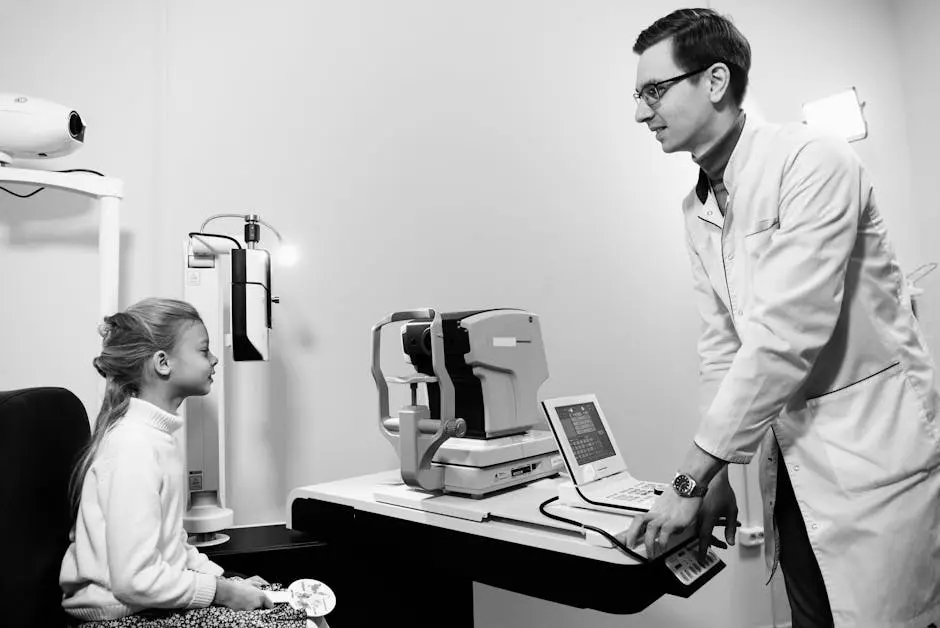
A young girl sitting in an ophthalmologist’s office having her eyes examined.

1. Enhanced Visual Acuity for Everyday Tasks

With advanced vision care, activities such as reading, driving, and working on digital devices become more manageable. Improved visual acuity allows you to perform tasks with ease and confidence, minimizing eye strain and fatigue. Perfectly tuned vision ensures you can engage in activities for longer periods without discomfort.

Imagine being able to read your favorite book without straining your eyes or feeling tired after a long day at work. With the incorporation of cutting-edge technologies, advanced vision care leverages the latest developments to bring the utmost clarity and precision to your everyday life. This means smoother and more efficient navigation through daily tasks.

2. Improved Eye Health Monitoring

Regular eye exams and advanced diagnostic tools help detect potential eye issues at an early stage. By catching problems early, you can take preventative measures to maintain your eye health and avoid serious complications. Early detection is key in managing conditions that could otherwise lead to significant vision loss.

Advanced vision care facilities such as Mid-Atlantic Eye Care provide a comprehensive health monitoring routine. This approach not only reassures you about your current eye health status but also provides personalized feedback and action points that can help preserve your precious sight in the long run.

3. Personalized Vision Solutions

Advanced vision care offers tailored solutions, including customized lenses and treatments. This personalized approach ensures that your unique vision needs are met, providing you with optimal clarity and comfort. Not all eyes are created equal, and recognizing this diversity is fundamental in delivering effective care.

For instance, individualized vision correction options cater to specific lifestyle requirements and visual challenges. Whether you require multi-focal lenses or specific coatings to counteract glare, advanced vision care adapts to your needs, ensuring your eyes function at their best.

4. Comfort and Convenience with Modern Eyewear

High-quality eyewear and contact lenses provide not only clear vision but also comfort and style. With options like lightweight materials and special coatings, you can enjoy your eyewear without sacrificing comfort. Modern frames and lenses are engineered to reduce friction and pressure points, making them easier to wear for extended periods.

Many advanced vision care options promote eyewear that enhances your features while offering practical comfort. From prescription sunglasses to transition lenses, there’s a wide array of choices designed to suit your personal style and vision requirements. This variety ensures you’re never compromising on functionality or aesthetics.

Having sharp vision reduces the risk of accidents, especially when driving or operating machinery. Advanced vision care can significantly enhance your safety by ensuring you’re seeing clearly at all times. With well-focused sight, tasks that require precision and attention to detail become less hazardous.

Improved vision sharpness enables timely reaction to potential hazards, particularly in dynamic environments like road traffic. Studies have highlighted how investments in vision enhancements lead to a notable decrease in incident rates. Clear vision empowers you to respond more swiftly and effectively.

6. Enhanced Quality of Life Through Active Lifestyles

Whether you’re an athlete, an outdoor enthusiast, or someone who enjoys active hobbies, advanced vision care supports your lifestyle. With proper vision correction, you can fully engage in activities you love, without limitations. This means a richer, more rewarding engagement with physical activities that require excellent sight.

Vision that is precisely tuned to your needs can enhance every aspect of your active life. Be it navigating a hiking trail or executing complex moves in your favorite sport, tailored vision care keeps you on the top of your game. Seeing clearly is foundational to executing physical activities effectively and safely.

7. Support for Digital Eye Strain

In our digital age, screen time is unavoidable. Advanced vision care offers solutions to combat digital eye strain, providing relief from symptoms like headaches and dry eyes, and ensuring you stay productive and comfortable. Special filters and coatings in your eyewear can help minimize blue light exposure and its associated effects.

Implementing blue light protection strategies in your daily routine can preserve your eye health amidst prolonged screen exposure. With advanced care, these measures become integrated into a comprehensive strategy to maintain comfort during digital interactions, safeguarding your vision as your productivity thrives.

8. A Seeing World of Vibrant Colors and Depth

Beyond clarity, advanced vision care enhances the vibrancy and depth of colors in your everyday view. Experience the world in its full glory, with sharper contrasts and more vivid imagery than ever before. Subtle hues and textures that might have gone unnoticed come alive, enriching your daily experiences.

With the infusion of innovative vision technologies, you see everything from magnificent sunsets to intricate art with enhanced detail. The emotional and psychological benefits of viewing the world with such richness cannot be overstated, as it ultimately heightens your appreciation of your surroundings.


10 Essential Tips for Maintaining Eye Health: A Guide to Retina Care in Norfolk

Taking care of your eyes is crucial, especially when it comes to maintaining retina health. With the complexity of this small yet vital part of the eye, ensuring it functions well can prevent serious issues down the line. Whether you’re a Norfolk local or just curious about eye care tips that work anywhere, these essential tips will guide you toward healthier eyes.
A doctor’s hand operating an eye examination device in a clinical setting.

1. Regular Eye Examinations

It’s important to schedule regular visits with an optometrist or ophthalmologist to ensure your eyes are in good health and to catch any potential issues early. Many eye diseases, such as glaucoma and macular degeneration, often present no symptoms in the early stages. Regular check-ups can help identify these conditions before they progress, potentially saving your sight. It’s recommended to have a comprehensive eye exam every one to two years, depending on your age, risk factors, and whether you wear corrective lenses.

In addition to catching diseases early, regular exams can also help maintain optimal vision by updating prescriptions for glasses or contacts, and providing advice on lifestyle changes to improve eye health. For Norfolk residents, local specialists provide convenient and thorough care to keep their vision at its best. Make it a priority to schedule an appointment with your eye care provider, because consistent check-ups are a cornerstone of good eye health.

2. Healthy Diet Choices

What you eat can significantly impact your retina health. Incorporating foods rich in vitamins C and E, lutein, and omega-3 fatty acids, like leafy greens and fish, can support eye health. Studies have shown that nutrients such as omega-3 fatty acids, lutein, zinc, and vitamins C and E might help ward off age-related vision problems like macular degeneration and cataracts. To improve your eye health, consider adding more kale, spinach, and fish like salmon and tuna to your diet.

While dietary changes are helpful, they should complement other healthy lifestyle habits to protect your eyes. For instance, combining a diet rich in antioxidants with regular exercise and not smoking can greatly enhance your overall eye health. Remember that maintaining health starts with conscious choices, starting with what you put on your plate.

3. Protective Eyewear

Wearing sunglasses with UV protection can safeguard your eyes from harmful rays, while protective goggles during certain activities prevent injuries. This is crucial for maintaining retina health, as ultraviolet light can cause cataracts and macular degeneration over time. When choosing eyewear, ensure they block 99% to 100% of UVA and UVB rays. Polarized lenses can also reduce glare, making outdoor activities more comfortable on your eyes.

4. Manage Screen Time

With increased screen time from devices, it’s important to practice the twenty-twenty-twenty rule: every twenty minutes, look at something twenty feet away for twenty seconds. This simple exercise helps to reduce digital eye strain, which can be caused by glare from screens, poor lighting, improper viewing distances, or uncorrected vision problems. Habitual breaks can lessen the impact dry eyes and fatigue have on your vision.

5. Stay Hydrated

Keeping your body hydrated aids in maintaining eye moisture and reducing the risk of dry eyes and resulting discomfort. Dehydration can lead to eye strain, dry eyes, and blurred vision. It’s essential to drink plenty of water throughout the day to ensure your eyes remain well-lubricated and comfortable.

6. Limit Smoking

Smoking can increase the risk of developing retina issues. Minimizing smoking habits or quitting entirely can vastly improve overall eye health. Chemicals found in cigarettes can contribute to cataracts, macular degeneration, and damage to the optic nerve. By quitting smoking, you can significantly reduce your risk of developing these serious eye conditions.

7. Keep Conditions in Check

Managing diabetes, hypertension, and other health conditions is crucial as they can directly affect your eye health, including the retina. People with these conditions are at a higher risk for developing eye problems, so regular monitoring and treatment are essential. Keeping blood pressure and blood sugar levels under control can prevent complications like retinal damage and vision loss.

8. Exercise Regularly

Physical activity improves circulation, which can lead to better eye health by maintaining healthy blood flow to the eyes. Exercise can help lower intraocular pressure and increase blood flow to the retina and optic nerve, improving their performance and health. Regular physical activity can also reduce the risk of diseases that can affect eye health, such as diabetes and hypertension.

9. Get Sufficient Sleep

Quality sleep is vital for overall health, including your eyes. Ensuring you get enough rest can alleviate strain and promote healing. During sleep, your eyes rejuvenate by undergoing essential reparative processes, clearing away irritants, and preparing for the next day.

10. Understand Your Family History

Knowing your family’s eye health history can help in identifying potential risks and taking preventative steps early. Many eye conditions are hereditary, so understanding your family’s history can assist in early detection and management of potential issues, helping to assure long-term eye health.


How Do I Choose the Right Designer Glasses for My Face Shape?

Finding the perfect pair of designer glasses to suit your face shape can be a daunting task. With so many styles and trends in eyewear, it’s essential to know what works best for your unique features. In this guide, we’ll break down the key steps to help you choose glasses that not only enhance your look but also reflect your personal style.
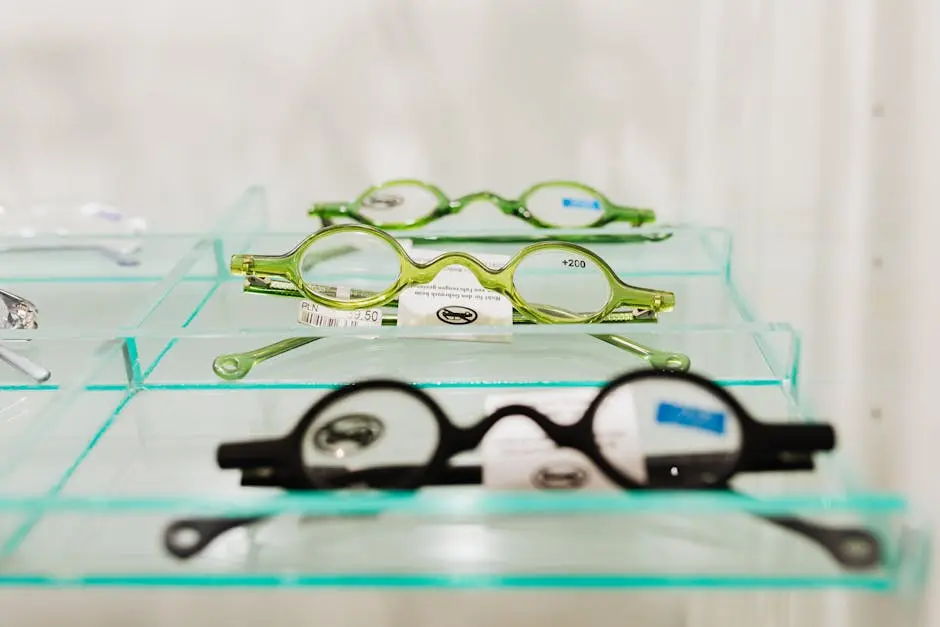
Close-up of assorted eyeglasses showcased in an orderly fashion for selection.

Determine Your Face Shape

Before you start shopping for glasses, it’s important to identify your face shape. The most common face shapes are round, oval, square, heart, and diamond. Knowing your face shape will guide your choice in frames that enhance your features.

A simple way to determine your face shape is by observing your jawline, cheekbones, and forehead. For instance, if your face is as long as it is wide, you might have a round face. On the other hand, if your forehead is the broadest part of your face, you likely have a heart-shaped face.

Utilizing a mirror and a soft measuring tape can help you get accurate measurements. Stand in front of a mirror and trace the outline of your face using the reflection. This can give you a clearer view of your face shape.

Match Frames to Your Face Shape

Each face shape benefits from different frame styles. For instance, round faces look great with rectangular frames that add angles, while oval faces can pull off most frame shapes. Understanding these nuances will help you narrow down your options.

If you have a square face, rounded or oval frames can soften your strong jawline. Heart-shaped faces can benefit from frames that are wider at the top than the bottom, helping to balance the face.

Diamond-shaped faces, which are characterized by high cheekbones, narrow chin, and wide forehead, can shine with frames that have distinctive detailing or shapes. Rimless styles work particularly well to emphasize your natural features without overwhelming them.

Consider Color and Material

The color and material of your glasses can affect both aesthetics and functionality. Choose colors that complement your skin tone and materials that fit your lifestyle, whether it’s classic acetate or trendy metals.

If you are someone who loves bold fashion choices, consider colorful frames to add a pop of personality to your look. Those who prefer a more subtle presence might opt for neutral tones that blend seamlessly with various outfits.

Material choice can influence comfort and durability. While lightweight metal frames are popular for their sleek design, acetate frames offer a comfortable fit and come in a multitude of colors and patterns.

Prioritize Comfort and Fit

Comfort is key when it comes to eyewear. Make sure the frames fit well on your nose and ears and feel comfortable for extended wear. A good fit ensures that your glasses will not only look great but also feel great.

Trying on different sizes and styles can help you determine the best fit. Look for adjustable nose pads and lightweight frames if you need long-term wearability.

Remember that proper fitting can prevent common issues such as pressure marks or uncomfortable slipping. Always test the glasses by moving your head around to ensure they stay in place while keeping your vision clear.

Reflect Your Personal Style

Finally, your designer glasses should reflect your personal style. Whether you opt for a bold, trendy pair or something more classic, your glasses are an accessory that should make you feel confident and stylish.

Experiment with frames that offer unique shapes or incorporate artistic elements. Choose designs that align with your lifestyle and make you excited to wear them each day.

Find the Perfect Pair for Your Look

Choosing the right designer glasses involves understanding your face shape and pairing it with frames that complement your features. By following these steps, you’ll be well on your way to finding the perfect glasses that enhance your natural look and express your style.


What Are Contact Lenses and How Do They Work?

Contact lenses have become a popular alternative to eyeglasses for vision correction, but how exactly do they function? In this article, we’ll unravel the basics of contact lenses, exploring what they are and how they work to provide clear vision.
Flat lay setup of contact lenses with eyeglasses for eye care on a white background.

What Are Contact Lenses?

Contact lenses are thin, curved lenses that sit directly on the surface of the eye. They are designed to correct refractive errors and are an alternative to traditional eyeglasses.

While contact lenses provide similar vision correction benefits as glasses, they offer unique advantages such as unobstructed peripheral vision and the freedom to participate in physical activities. These lenses are crafted from advanced materials that allow for oxygen permeability, essential for maintaining eye health.

Many people prefer contact lenses due to their aesthetic appeal, providing a more natural look without the frames of glasses. Furthermore, contact lenses can be used for special conditions such as keratoconus or presbyopia with specialized designs.

Types of Contact Lenses

There are various types of contact lenses, including soft lenses, rigid gas permeable lenses, and specialty lenses like toric lenses for astigmatism. Each type serves different vision needs and preferences.

Soft contact lenses are the most popular choice due to their comfort and flexibility. Made from hydrogel or silicone hydrogel, they provide high moisture retention, making them suitable for everyday wear. Meanwhile, rigid gas permeable lenses, though less commonly used, offer sharper vision and higher durability.

Specialty lenses, such as multifocal or hybrid lenses, address specific vision challenges. Multifocal lenses aid individuals with presbyopia by providing clear vision at multiple distances, while hybrid lenses combine the benefits of soft and rigid lenses for optimal performance.

How Do Contact Lenses Work?

Contact lenses work by refocusing light as it enters the eye, correcting vision issues such as nearsightedness, farsightedness, and astigmatism. They help direct light accurately onto the retina, providing clear vision.

The mechanism of contact lenses involves the correction of refractive errors by altering the path of light entering the eye. By precisely aligning with the cornea, these lenses assist in guiding light directly to the retina, ensuring crisp and clear visual perception. This blend of design and technology addresses common eye conditions effectively.

Benefits of Using Contact Lenses

Contact lenses offer several benefits, including a wider field of vision, freedom from frames, and the ability to engage in activities without the hassle of glasses.

For athletes and active individuals, contact lenses are a game-changer. They eliminate the risk of breaking glasses during activities, thereby increasing safety and enhancing mobility. Lenses also remain unfogged in changing temperatures, making them practical for outdoor adventures.

Additionally, contact lenses provide aesthetic benefits. They allow the wearer to showcase natural eye color and makeup without obstruction, boosting confidence and offering a variety of style options.

Caring for Your Contact Lenses

Proper care and maintenance of contact lenses are crucial to eye health. This includes regular cleaning, proper storage, and adhering to a replacement schedule as prescribed by an eye care professional.

It’s important to follow a rigorous care routine to prevent eye infections and ensure prolonged lens performance. This typically involves using a prescribed solution for cleaning and disinfecting lenses, never using tap water, and storing them in a clean case.

Make sure to replace lenses as recommended. Daily lenses are discarded after each use, while monthly or bi-weekly lenses require diligent upkeep. Additionally, never exceed suggested wear time and give your eyes a break to maintain optimal eye health.

Wrapping It Up

Understanding contact lenses can help you make informed decisions about your vision correction needs. Whether you’re new to contact lenses or considering a switch from glasses, knowing how they function and the options available is essential. For more detailed guidance, consult with our experts to find the best options tailored to your lifestyle and vision requirements.