Exploring Vision Health with Emerging Eye Care Innovations in Norfolk

In recent years, advancements in eye care have transformed the way we approach vision health. In Norfolk, a wave of innovative practices and technologies is making eye care more accessible and effective. This blog dives into the latest eye care innovations that are reshaping how we protect and improve our vision.
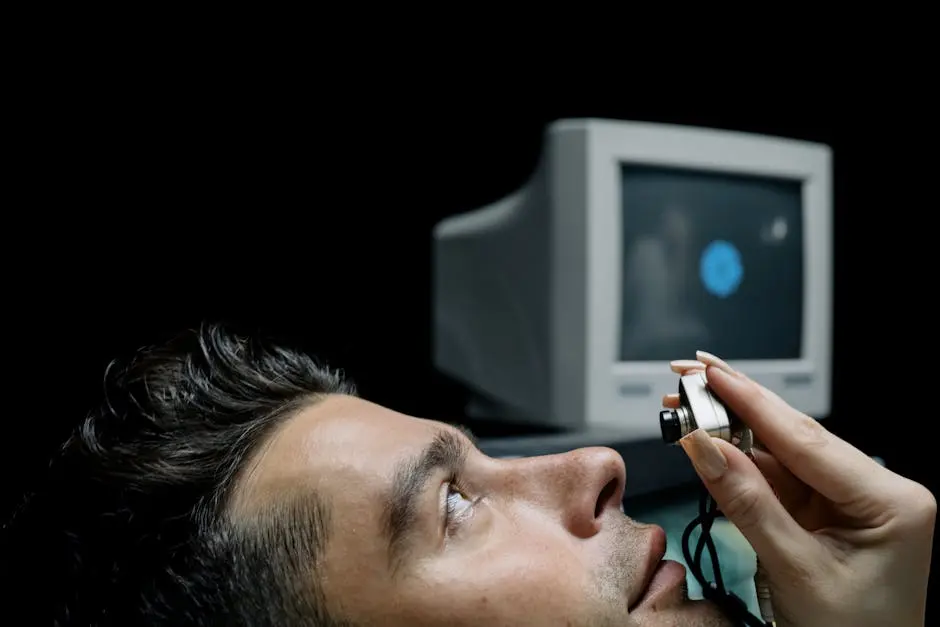
Technician performing eye exam using advanced medical technology with real-time monitoring.

Understanding the Importance of Vision Health

Vision health is crucial not only for maintaining our daily activities but also for our overall well-being. Understanding its importance can lead to proactive care and preservation of eyesight. In this section, we’ll discuss why prioritizing eye health is essential and the common challenges faced.

Our eyes are often called the windows to the soul, and rightfully so, as they are our primary interface with the world. Yet, despite their importance, many of us neglect regular eye check-ups until experiencing noticeable issues. An essential aspect of maintaining optimal eye health is knowing the common issues and preventative strategies. Conditions such as myopia, hyperopia, and astigmatism are prevalent but can be detected early and managed effectively through routine exams and lifestyle modifications, such as reducing screen time and ensuring proper lighting during activities.

Revolutionary Technologies in Eye Care

From AI diagnostics to advanced surgical procedures, technology plays a vital role in modern eye care. We’ll explore the latest technological innovations emerging in Norfolk and how these developments are setting new standards in detecting and treating eye conditions.

Recent advancements in artificial intelligence have greatly enhanced diagnostic procedures. AI-powered tools can now analyze retinal scans with unprecedented accuracy, allowing for early detection of conditions like diabetic retinopathy and macular degeneration. Moreover, the advent of ultra-modern surgical techniques, such as laser-assisted in situ keratomileusis (LASIK), has revolutionized corrective surgeries. These procedures are not just improving the accuracy and safety levels of surgeries but are also contributing to quicker recovery times, making life-improving adjustments much more accessible and less daunting for patients.

Innovative Approaches to Regular Eye Check-Ups

Routine eye exams are more than just a prescription update. With new tools and techniques, eye exams in Norfolk are becoming more comprehensive and efficient. Learn how these enhanced check-ups are crucial in early detection and prevention of eye diseases.

Incorporating technology into eye exams has transformed what once was a simple vision test into a comprehensive health evaluation. Today, modern eye exams in Norfolk make use of digital retinal imaging, which provides detailed scans of the back of the eye. This technology not only facilitates the monitoring of eye conditions over time but also aids in identifying symptoms of other health issues, such as hypertension or diabetes, which can manifest in eye structures. The integration of these advanced tools means that an eye exam can serve as an essential check-up for your overall health, underscoring why regular visits to the optometrist should be a staple in everyone’s healthcare routine.

Holistic Eye Care: Beyond Conventional Methods

In Norfolk, eye care isn’t just about technology—it’s also about integrating holistic practices. Discover how local experts are combining traditional and non-traditional methods, such as nutrition and lifestyle changes, to promote better vision health.

Taking a holistic approach to eye care means considering factors beyond just corrective lenses or surgery. Many experts in Norfolk are recommending a blend of preventive and corrective measures that include diet, exercise, and even stress management. For instance, a diet rich in omega-3 fatty acids, lutein, and vitamin C has been shown to support eye health. Furthermore, regular physical activity and stress-reducing practices like yoga can help maintain vision by improving circulation and reducing inflammation in the ocular nerves. These integrative strategies not only enhance eye health but contribute to overall wellness, making them an attractive complement to traditional eye care methods.

Community Initiatives and Vision Awareness

The local community in Norfolk is actively involved in spreading awareness about vision health. This section highlights various community-driven initiatives and programs aimed at educating and supporting individuals in taking charge of their eye health.

Community initiatives in Norfolk are bringing vision health to the forefront through educational seminars, free eye screenings, and outreach programs targeting underserved populations. Collaborations with schools and local organizations have been instrumental in emphasizing the importance of routine eye care from a young age, ensuring that children grow up understanding the value of their sight. These programs not only provide practical eye care services but also empower individuals by equipping them with the knowledge needed to make informed decisions regarding their eye health.

Looking Ahead with Clear Vision

As we’ve explored, Norfolk is at the forefront of eye care innovation, offering a glimpse into the future of vision health. With cutting-edge technology and holistic approaches, maintaining good vision is more achievable than ever. Whether you’re a resident or just visiting, Norfolk’s advancements in eye care are sure to leave a lasting impression on your sight and overall well-being. For more information on how you can benefit from these innovations, visit our homepage.


How Do Eye Physicians in Virginia Beach Perform LASIK?

LASIK surgery is a popular procedure for correcting vision issues, but how exactly is it performed by eye physicians in Virginia Beach? In this blog, we’ll walk you through the steps they take to ensure successful outcomes and clear vision for their patients.
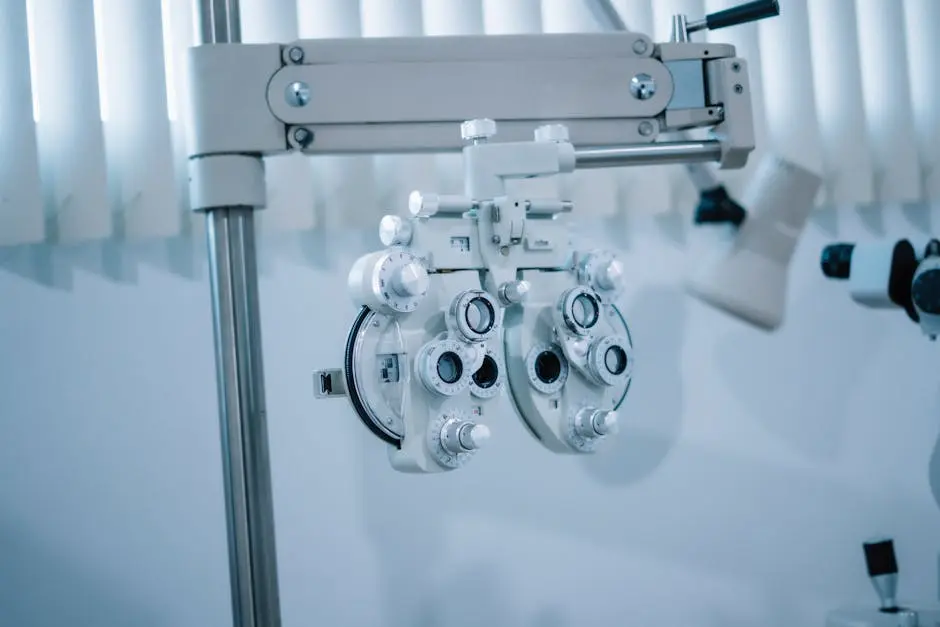
An optometrist operates an eye examination machine in a clinic setting, enhancing visual health care.

Initial Consultation and Assessment

The initial consultation is a crucial part of the LASIK journey. Eye physicians in Virginia Beach use this time to thoroughly assess the patient’s vision needs. Here, they conduct a series of comprehensive tests to determine the health and structure of your eyes. For instance, they evaluate the thickness of the cornea, measure the size of the pupils, and identify any refractive errors that may be present. Armed with this data, the physician can ascertain if LASIK is a suitable procedure for you. It’s a transparent process where potential risks and benefits are discussed, ensuring well-rounded patient awareness.

Not all patients are immediate candidates for LASIK. On occasion, conditions such as severe dry eyes or certain corneal diseases might impede the candidacy. In such cases, eye physicians might explore alternative solutions or recommend preparatory treatments to improve eye health before considering LASIK. This approach highlights the personalized care each patient receives, ensuring the best outcomes are sought. Emphasis is placed on tailored treatment plans that resonate with the unique vision needs of every individual.

Creating the Corneal Flap

The creation of the corneal flap is an essential step in the LASIK procedure. In Virginia Beach, eye physicians employ state-of-the-art technology to ensure precision and patient safety. The use of a femtosecond laser in forming this flap allows for an extraordinary level of control and accuracy. This technology not only minimizes the risk of complications but also enhances the overall comfort of the patient during the surgery.

Patients often express curiosity about how the flap affects the surgery. The flap acts as a temporary ‘access point’ to the cornea. By lifting it carefully, physicians can use a laser to reshape the cornea to correct vision issues parked beneath. This flap is so thin and meticulously crafted that patients rarely feel discomfort, underscoring the modern advancements in LASIK techniques.

Reshaping the Cornea with Laser

The heart of the LASIK procedure is the reshaping of the cornea. Eye physicians utilize an excimer laser, which offers exceptional precision in correcting the curvature of the cornea. This laser employs a cool ultraviolet light beam that meticulously removes minute amounts of tissue from the cornea, correcting vision problems like nearsightedness, farsightedness, and astigmatism.

This step is highly customizable, with the laser program tailored to address the unique needs of each patient. The precision of this technique ensures that the correction fits the patient’s visual profile, ensuring improved clarity and sharpness of vision. Patients can rest assured, knowing that the technology used is both advanced and reliable, bolstering the safety and efficacy of the procedure.

Repositioning the Corneal Flap

After the reshaping of the cornea is complete, the next step is the repositioning of the corneal flap. This is a seamless process where the flap is carefully laid back into its original position. Thanks to the natural adhesive qualities of the corneal tissue, the flap securely adheres without the need for sutures.

Remarkably, the flap acts like a natural bandage, promoting swift recovery. Post-surgery, Virginia Beach eye physicians ensure patients understand the importance of protecting their eyes during the healing phase. They’re keen on equipping patients with knowledge on how to avoid rubbing or putting pressure on their eyes, which could disrupt the healing process.

Post-Operative Care and Follow-Up

Proper post-operative care is essential to the success of LASIK surgery. Eye physicians in Virginia Beach are ardent about ensuring that each patient receives detailed aftercare instructions. These typically include using prescribed eye drops to prevent infection and reduce inflammation, as well as tips on how to mitigate dry eyes, a common temporary side effect.

Follow-up appointments play a vital role in monitoring your recovery. During these visits, eye physicians assess the healing process and vision improvement progress. They also address any concerns the patient might have, providing support and adjustments if necessary. These frequent check-ins are integral to guaranteeing that patients achieve optimal results from their LASIK experience.

Patience and adherence to post-operative recommendations are rewarded with clearer, crisper vision. The dedication of Virginia Beach’s eye physicians to ongoing patient care underscores their commitment to helping you enjoy the long-term benefits of LASIK. Their goal extends beyond the procedure itself, focusing instead on the holistic well-being and satisfaction of every patient they care for.

If you’re considering LASIK and want to learn more about the process, we invite you to explore our comprehensive guide to LASIK.

Final Thoughts on Getting LASIK in Virginia Beach

Understanding the LASIK procedure can ease any apprehensions you might have. Eye physicians in Virginia Beach are skilled experts committed to providing high-quality care at all stages of the process. With their expertise and advanced technology, getting LASIK surgery can be a smooth and rewarding journey towards better vision.


8 Key Questions About Cataract Surgery You’ve Always Wanted to Ask

Cataract surgery is a common procedure, yet it often raises a lot of questions. In this blog, we’ll demystify the process by answering key questions you’ve been curious about. Let’s dive in!
Close-up of a surgeon performing a procedure under focused light in an operating room.

1. What Exactly Is a Cataract?

A cataract is a clouding of the eye’s natural lens, which lies behind the iris and the pupil. While commonly associated with aging, cataracts can also occur due to other factors. Understanding this is the first step toward understanding the need for surgery.

Cataracts develop when proteins in the eye’s lens clump together, causing vision to become blurred or hazy. This can be compared to looking through a frosty or fogged-up window. Conditions such as diabetes and smoking can accelerate cataract formation. Thus, adopting a healthy lifestyle is crucial to delay their onset.

2. When Should You Consider Cataract Surgery?

Cataract surgery is usually recommended when the cataract begins to affect your vision and daily activities. Learn how to identify the right time for you to discuss surgery with your doctor.

If you’re experiencing significant visual impairment, it may be time to act. Generally, surgery becomes necessary when cataracts hinder reading, driving, or recognizing faces. Stay vigilant for symptoms such as seeing halos around lights or increased difficulty in night vision. Consulting a trusted eye specialist is essential in determining the right time for surgery.

3. What Happens During Cataract Surgery?

The procedure is typically quick and involves removing the clouded lens and replacing it with an artificial one. Let’s break down each step to ease any nervousness you may have.

During the procedure, which usually lasts about 30 minutes, the surgeon makes a small incision in the eye to remove the clouded lens. An artificial lens, known as an intraocular lens (IOL), is then inserted. Thanks to advancements in laser-assisted cataract surgery, precision and outcomes have significantly improved.

4. Is Cataract Surgery Painful?

A big concern for many is the pain factor. Most people experience little to no pain during surgery due to anesthesia. Here’s what you can expect in terms of sensation and recovery.

Patients are typically administered local anesthesia, which numbs the area and ensures comfort throughout the procedure. Post-surgery, you may experience mild discomfort or a gritty sensation in the eye, which subsides within a few days. Understanding cataract surgery recovery can help set accurate expectations.

5. Are There Any Risks Involved?

Understanding the risks can help you weigh your options. While cataract surgery is generally safe, it’s important to discuss potential complications with your surgeon.

Potential risks include infection, bleeding, retinal detachment, or persistent inflammation. However, these are rare, and most complications can be managed with timely intervention. Your surgeon will provide guidance on any specific risk factors you may have, ensuring that you feel prepared and informed.

6. How Long Does Recovery Take?

Recovery is usually swift, but it’s important to follow post-operative recommendations. Learn how long it typically takes to resume normal activities and how to care for your eyes during this period.

Most patients notice improved vision within a few days, with complete healing taking about 4-6 weeks. During this time, avoid strenuous activities, swimming, or rubbing your eyes. Regular follow-up visits with your eye doctor will ensure your eye is healing as expected. Comprehensive guidance and post-operative care tips can aid in a smoother recovery.

7. Will You Need Glasses After Surgery?

Many wonder about their vision post-surgery. While cataract surgery improves vision, some may still need glasses or contact lenses afterward. Here’s what you should expect.

The need for glasses post-surgery depends on the type of IOL used and your specific visual needs. Standard lenses may require reading glasses afterward, while multifocal or accommodative lenses might reduce dependency on glasses. Discuss options with your surgeon to align with your lifestyle and expectations.

8. How Should You Prepare for Your Surgery?

Preparation can make the surgical experience smoother and less stressful. From medical evaluations to practical tips, this guide offers insights on how to get ready.

To prepare, arrange for someone to drive you home post-surgery and don comfortable clothing. Avoid eating or drinking a few hours before the procedure as per your doctor’s advice. Additionally, undergoing a comprehensive eye exam to assess the health of your eyes is crucial. Preparation will help ease anxiety and ensure a smoother surgery.


How Can Eye Diseases Be Prevented?

Eye health is essential to overall well-being, yet it’s often overlooked until issues arise. Preventing eye diseases is crucial for maintaining vision and quality of life. In this guide, we’ll explore simple steps you can take to proactively protect your eyes.
A doctor performs an eye examination on a young girl using advanced equipment in a clinical setting.

Understand Common Eye Diseases

Learn about common eye conditions such as glaucoma, macular degeneration, and cataracts. Knowing what they are and how they develop can help you take preventive measures effectively.

Glaucoma, for instance, is a condition that damages the optic nerve and can lead to irreversible blindness if not detected early. It is often linked to high pressure in the eye. Regular screenings are vital since symptoms can be silent and subtly progressive.

Macular degeneration, a leading cause of vision loss, affects central vision, making it difficult to read or recognize faces. Understanding the risk factors, like age and family history, can guide you in taking preventive steps, such as dietary adjustments and lifestyle changes.

Cataracts are characterized by clouding of the eye’s lens, leading to blurry vision. They can develop slowly, but over time, surgery may be necessary. Regular check-ups can aid early diagnosis and management to maintain clear vision.

Regular Eye Exams Are Key

Schedule regular eye exams with your optometrist or ophthalmologist. Early detection of potential issues plays a crucial role in preventing serious complications and maintaining healthy vision.

At Mid-Atlantic Eye Care, we recommend comprehensive eye exams every one to two years, depending on age and risk factors. Each visit includes a thorough assessment of eye health, vision acuity tests, and screenings for diseases like glaucoma and macular degeneration.

Regular eye exams not only assess eye health but also offer insights into your overall health. Conditions like diabetes and high blood pressure can be detected during an exam, allowing for timely intervention that benefits both eye health and general well-being.

Adopt a Healthy Diet

Eating a balanced diet rich in fruits, vegetables, and omega-3 fatty acids supports eye health. Foods high in vitamins C, E, zinc, and lutein can lower the risk of developing macular degeneration.

Incorporating leafy greens like spinach and kale into your meals can boost lutein and zeaxanthin levels, which are essential for maintaining healthy vision. Omega-3 fatty acids in fatty fish, such as salmon and tuna, help prevent dry eyes and may reduce the progression of age-related eye conditions.

Carrots, rich in beta-carotene, contribute to night vision and overall eye health. Meanwhile, nuts and seeds provide essential fatty acids and vitamin E, which can help delay cataract formation and age-related macular degeneration.

Protect Eyes from UV Damage

Wearing sunglasses that block 100% of UV-A and UV-B rays helps prevent cataracts and other eye conditions caused by sunlight exposure.

Choosing sunglasses with a wrap-around frame can further shield your eyes by reducing exposure to light from the sides. It’s important to wear them year-round, even on cloudy days, as UV rays can penetrate clouds and cause harm.

Additionally, consider using a broad-brimmed hat when spending prolonged periods outdoors, as it can decrease UV exposure by up to 50% and protect sensitive areas around the eyes.

Minimize Screen Time Effects

Limit the strain of digital devices by following the 20-20-20 rule. Every 20 minutes, look at something 20 feet away for 20 seconds to help reduce eye fatigue.

Ensure your screen is positioned an arm’s length away from your face and slightly below eye level to promote a natural head and neck position. Use anti-glare filters or blue light glasses to reduce glare and screen flicker, mitigating eye strain.

Adapting the lighting in your room to match the brightness of your screen can reduce the contrast and prevent additional strain on your eyes. Taking breaks and incorporating regular blinking can also help keep your eyes lubricated and comfortable.

Avoid Smoking

Smoking increases the risk of developing eye diseases. Quitting smoking is one of the best things you can do for your eye health and overall well-being.

Cigarette smoke contains chemicals that can harm eye tissues, increasing the risk of cataracts, macular degeneration, and damage to the optic nerve. These effects are compounded over time, and quitting smoking significantly benefits eye health.

Seeking support from smoking cessation programs can improve your chances of quitting successfully, helping to preserve your vision and enhance overall health. Remember, it’s never too late to make a positive change for your eyes.

Protect Your Vision for a Lifetime

By incorporating these simple strategies into your daily routine, you can significantly reduce the risk of eye diseases and promote long-term eye health. Remember, prevention is always better than cure, and your eyes deserve the best care possible.


Exploring the World Through Designer Glasses: A Chesapeake Perspective

Designer glasses are more than just a fashion statement; they’re a window to the world, offering unique perspectives and enhancing personal style. In the charming region of Chesapeake, these spectacles bring a distinctive flair to exploring the landscape, culture, and everything in between.
Modern black eyeglasses with a classic design resting on a minimalist display stand.

The Charm of Chesapeake: A Perfect Backdrop

Chesapeake, with its scenic beauty and vibrant cultural tapestry, provides a picturesque setting for exploring with designer glasses. The area’s natural landscapes and historic sites offer an ideal canvas for appreciating the world with sharpened visuals.

Wandering through Chesapeake’s lush trails and serene waterways, one can’t help but marvel at how designer glasses transform these views. Imagine standing by the iconic Chesapeake Bay, the sun setting on the horizon, as your glasses enhance the stunning palette of orange, pink, and purple hues. Such moments are what make investing in quality eyewear worthwhile, merging functionality with the sheer beauty of nature.

Beyond its natural allure, Chesapeake’s rich history and charming communities make it a treasure trove for exploration. Designer glasses allow for a unique perspective on historical sites, from colonial architecture to bustling markets where every detail is meticulously brought to life. Whether you’re a local or a visitor, experiencing Chesapeake’s charm through enhanced lenses makes each discovery that much more vibrant and engaging.

Choosing the Right Designer Glasses for Your Style

The journey of exploration begins with selecting designer glasses that complement both personal style and practical needs. From bold frames to minimalist designs, there’s a perfect pair for everyone to enhance their viewing experience in Chesapeake and beyond.

Finding the perfect pair of designer glasses is akin to finding a signature piece in your wardrobe – one that speaks volumes about your personality. Bold frames can make a statement, perhaps designed by renowned brands, while understated rims offer a subtle sophistication. When choosing, consider your daily activities around Chesapeake—do they require lenses with blue light protection for long screen hours, or perhaps transitional lenses for frequent outdoor excursions? The right pair not only reflects your personal taste but also serves to elevate your everyday visual interactions.

In a city buzzing with artistic energy and culture like Chesapeake, your choice of designer glasses can mirror the eclectic and vibrant spirit of the community. Whether in vibrant downtown areas or serene parks, make sure your eyewear represents both your style and lifestyle. Consulting experts when selecting your frames ensures that you find the most comfort-focused and style-driven options, merging aesthetic appeal with visual precision.

Enhancing Sightseeing with Precision and Style

While traversing Chesapeake, designer glasses do more than elevate fashion—they enhance the clarity of sights. With advanced lens technology, these glasses make everyday scenes sharper and more vivid, adding an extra layer of appreciation to daily adventures.

Imagine walking along one of Chesapeake’s scenic trails with every leaf and ripple brought into sharp focus, thanks to high-definition lenses. Designer glasses utilizing cutting-edge technology can reduce glare and improve contrast, making it easier to appreciate the intricate beauty of your surroundings. This elevated experience isn’t just enjoyable; it’s also beneficial for those who seek to engage with their environment fully. Such glasses can make all the difference when spotting wildlife or reading the small informational plaques scattered across historical sites.

Caring for Your Designer Glasses Under the Chesapeake Sun

Maintaining the quality and appearance of designer glasses is crucial, especially in diverse weather conditions. Learn tips and tricks to care for your glasses, ensuring they remain in prime condition as you continue to explore all that Chesapeake has to offer.

Given Chesapeake’s unpredictable weather, from sunny days to sudden showers, it’s essential to keep your designer glasses in optimal condition. Regular cleaning with appropriate solutions keeps lenses streak-free, while a reliable case ensures protection from scratches and drops. Additionally, having an anti-reflective coating can prevent sunlight glare, enhancing visibility whether you’re driving through Chesapeake’s tree-lined roads or enjoying a leisurely walk down bustling streets.

Don’t underestimate the importance of regular adjustments and professional cleanings. Over time, even the best-fitted glasses may shift or loosen, affecting both comfort and vision. Visiting your local optical shop for a quick tune-up ensures the longevity and optimal performance of your eyewear. These small but effective maintenance strategies ensure that your designer glasses are always ready to see you through many adventures in Chesapeake.

Seeing the World Anew with Designer Glasses

Through the lens of designer glasses, the Chesapeake experience is enriched with depth and clarity. Beyond their aesthetic appeal, these glasses connect wearers with their surroundings in a more intimate and personalized manner, making each exploration a memorable journey.


7 Tips for Choosing Designer Glasses in Norfolk Drool-Worthy Styles

Choosing the perfect pair of designer glasses can be a delightful experience, especially when you’re surrounded by the fashionable vibes of Norfolk. Whether you’re searching for something chic and sophisticated or bold and eye-catching, finding a style that complements your personality is key. Let’s dive into how you can discover drool-worthy glasses that suit both your style and needs.
Portrait of a fashionable young woman in eyeglasses, exuding elegance and intelligence.

1. Understanding Your Face Shape

Your face shape plays a big role in determining which styles of glasses will enhance your features. From round to heart-shaped, knowing your face type helps in choosing frames that are most flattering. For instance, square faces benefit from round frames, as they soften the strong angles, whereas round faces look great in angular frames that add definition. Start by identifying your face shape, which can usually be done by tracing your facial outline on a mirror with a lipstick or eyeliner.

It’s also worth considering if you have prominent facial features. For example, high cheekbones usually pair well with upswept frames like cat-eye styles, highlighting this attractive facial structure. If you’re not sure what your face shape is, a visit to an optical store could provide clarity, and expert advice is invaluable when looking to make a style statement with your eyewear.

2. Choosing the Right Frame Material

Frames come in all sorts of materials like metal, plastic, and even wood. Each offers distinct aesthetics and durability, making it important to weigh your lifestyle needs against your design preferences. Metal frames, such as those made from titanium, offer a sleek, modern look while being incredibly durable and lightweight. On the other hand, acetate frames bring in a pop of color and often have a more pronounced textural design.

More eco-conscious consumers might be drawn to sustainable materials like bamboo or recycled ocean plastics, echoing their personal philosophies right on their faces. Equally, for those who are particularly active, considering materials and designs that offer flexibility, such as bendable arms, can enhance durability and comfort.

3. Decoding Lens Options

Understanding lens types is crucial for your comfort and vision. Consider factors such as UV protection, scratch resistance, and any special coatings you might need depending on your day-to-day activities. If you’re someone who spends ample time in front of digital screens, investing in lenses with blue light protection is a smart choice. These lenses can help reduce eye strain and improve sleep quality by blocking harmful blue light emitted from digital devices.

For outdoor enthusiasts, photochromic lenses, which adjust to changes in light, could be a great option, providing clear vision both indoors and outdoors. Lenses can also come in various index levels, enhancing their thinness and lightness while maintaining corrective power—a vital feature for those with stronger prescriptions. Learn more about lens coatings and materials to fully optimize your eyewear.

4. Considering Color and Patterns

Designer glasses offer a plethora of colors and patterns. Whether you go for a classic black or a vibrant print, make sure the color scheme complements your wardrobe and personal style. If your fashion sense tends towards the minimalist, neutral tones like tortoiseshell or black might be ideal. Conversely, if you enjoy injecting color into your wardrobe, eyewear in bold hues or unique patterns like leopard print could add that extra flair.

Colors can also have psychological effects; choosing a colored frame can brighten your mood and serve as a conversation starter. Experimenting with transparent frames or those with gradient color schemes might also bring an unexpectedly delightful result. Always consider your wardrobe and lifestyle when selecting frame colors, ensuring you select something that truly reflects who you are and fits various outfits seamlessly.

5. Balancing Trendy vs. Timeless

While it’s tempting to go for the latest trends, classic styles often offer more versatility. Finding a balance between trendy and timeless ensures you have a pair that won’t go out of fashion too quickly. Aviators, for instance, have maintained popularity for decades as a universally flattering style. Similarly, wayfarer frames offer a classic aesthetic that melds well with both casual and formal attire.

However, for those driven by the latest fashion currents, exploring current trends in eyewear can be thrilling. Oversized frames and geometric shapes are making waves this year, merging retro inspirations with modern materials. Keep in mind, highly trendy styles may offer a bolder statement, often reserved for those unique occasions where making a splash is the goal.

6. Considering Designer Brands

Different brands offer different vibes and focus on unique signature styles. Exploring various designer brands can give you a better idea of what aligns with your preferred aesthetics. Some brands specialize in vintage-inspired designs, while others pursue the cutting edge of fashion innovation. Perhaps you’re drawn to brands like Ray-Ban, renowned for its classic icons, or to Gucci, known for its bold and opulent designs.

Moreover, understanding a brand’s philosophy can add depth to your choice. Are they sustainable? Do they support charitable causes? Brands often extend beyond just fashion, crafting stories that resonate with personal values. By aligning yourselves with a brand, you’re expressing more than just fashion but also a part of your ethos and world perspective. Always check for designer brand features and collections which may resonate with your unique style and needs.

7. Ensuring a Comfortable Fit

The perfect pair should not only be stylish but also comfortable. Ensure the glasses sit well on your nose and ears to avoid any discomfort. Adjustable nose pads and lightweight materials can add to your comfort. When trying on glasses, take note of any pressure points or slippage that could indicate an improper fit. Optometrists often provide complimentary adjustments to achieve the ideal fit.

Comfort also comes down to lightweight materials which are often a wise choice for extended wear. Memory metal frames, with their ability to return to the original shape after bending, provide an excellent balance of weight and durability. Ensuring your glasses have an ergonomic fit can make the difference, especially if they’re worn for long durations throughout the day. Continuing to explore comfortable options can help you find your ideal fit.